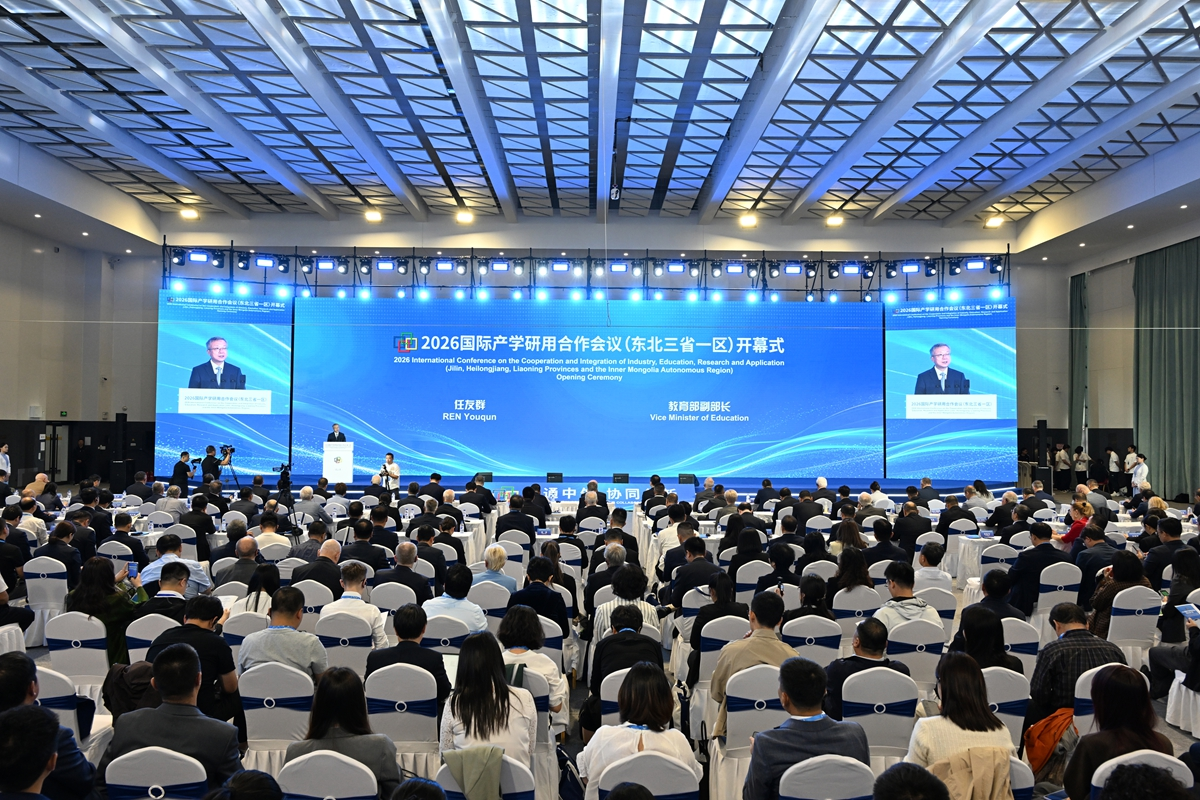
On September 15, the Opening Ceremony of 2026 International Conference on the Cooperation and Integration of Industry, Education, Research and Application (Jilin, Heilongjiang, Liaoning Provinces and the Inner Mongolia Autonomous Region) was held at the Central Campus of Jilin University. The conference was held under the guidance of the People’s Government of Jilin Province, the People’s Government of Heilongjiang Province, the People’s Government of Liaoning Province and the People’s Government of Inner Mongolia Autonomous Region. It was hosted by Jilin Provincial Department of Education, supported by the Provincial Departments of Heilongjiang, Liaoning Provinces and Inner Mongolia Autonomous Region, organized by Jilin University, and co-organized by universities across the three provinces and one autonomous region. Under the theme “Integrating Global Resources, Driving Collaborative Innovation - International Industry-Education-Research-Application Cooperation Empowering High-Quality Development in Northeast China”, the conference brought together more than 400 experts, scholars, and corporate representatives from 26 countries. Participants discussed approaches to collaborative innovation and ways to support the continued development of Northeast China.
Vice Minister of Education Ren Youqun, Vice Governor of Jilin Province Sun Jian, and President of Jilin University Zhang Xi attended the opening ceremony and delivered remarks. Vice Governor of Heilongjiang Province Cong Li, Vice Governor of Liaoning Province Wu Chungeng, and Vice Chairman of the Inner Mongolia Autonomous Region Su He addressed the ceremony via video. Professor Johann Deisenhofer, recipient of the 1988 Nobel Prize in Chemistry; Professor Konstantin Novoselov, recipient of the 2010 Nobel Prize in Physics; and Wang Chao, President of Jilin Jiyi Intelligent Robot Co., Ltd., also delivered remarks as representatives of the academic and business communities.
Also in attendance were Professor Hartmut Michel, recipient of the 1988 Nobel Prize in Chemistry and full-time professor at Jilin University; Yang Dan, Director-General of the Department of International Cooperation and Exchanges of the Ministry of Education; Ma Jian, Deputy Secretary-General of the People’s Government of Jilin Province; Chao Guiming, Director of the Center for School Development and Construction Planning of the Ministry of Education; representatives of the education departments of Heilongjiang, Liaoning, and the Inner Mongolia Autonomous Region; experts and scholars from 58 international universities; and representatives from 71 universities across the three provinces and one autonomous region.
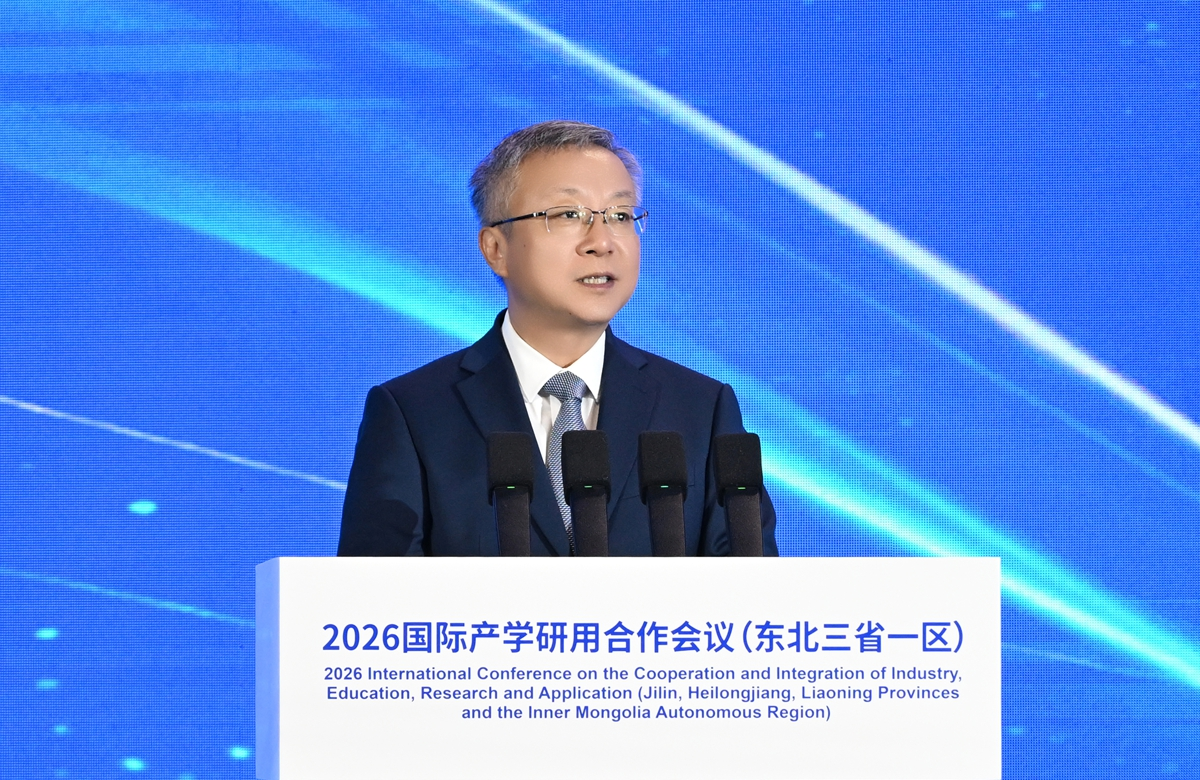
In his address, Ren Youqun emphasized that universities should focus on major national strategic priorities, strengthen independent scientific and technological innovation and the development of homegrown talent., He also called for further progress in integrating industry, education, research, and application. Ren put forward three proposals: first to deepen joint talent development and build a collaborative system involving multiple stakeholders; second, to promote the sharing of research outcomes and establish interconnected platforms for innovation and cooperation; and third, to strengthen industrial collaboration integration by developing a diverse and integrated innovation ecosystem. He added that the Ministry of Education will further strengthen its support for higher education institutions in the three provinces and one autonomous region of Northeast China, improve academic and disciplinary structures, explore an education–research collaborative model for talent development, and promote closer integration among education, talent development, innovation, and industry.
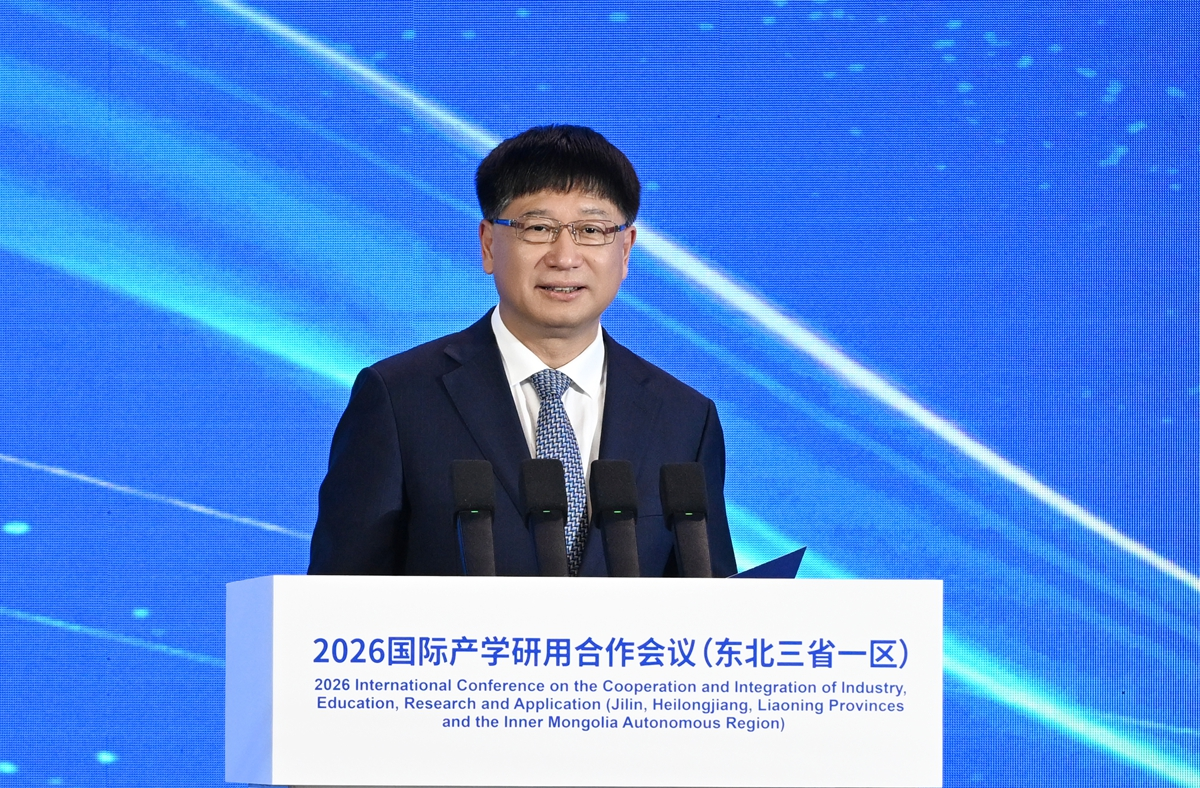
Zhang Xi delivered a welcome address on behalf of Jilin University. He noted that this year marks the 80th anniversary of Jilin University and expressed appreciation for the long-standing support JLU has received from across society. He explained that universities are often strongest in pointed basic research while enterprises are better positioned to bring technologies to market. The pilot-testing and validation stages between research and commercialization, however, require substantial investment and involve significant risk. Zhang emphasized that universities, enterprises, government agencies, and professional service organizations must therefore work together, drawing on their respective strengths to connect the different stages of the innovation process.He noted that Jilin University has established flexible employment mechanisms and competitive incentive policies in technology transfer, and that only when all parties in industry–university–research collaboration are well linked can a healthy innovation ecosystem take shape.
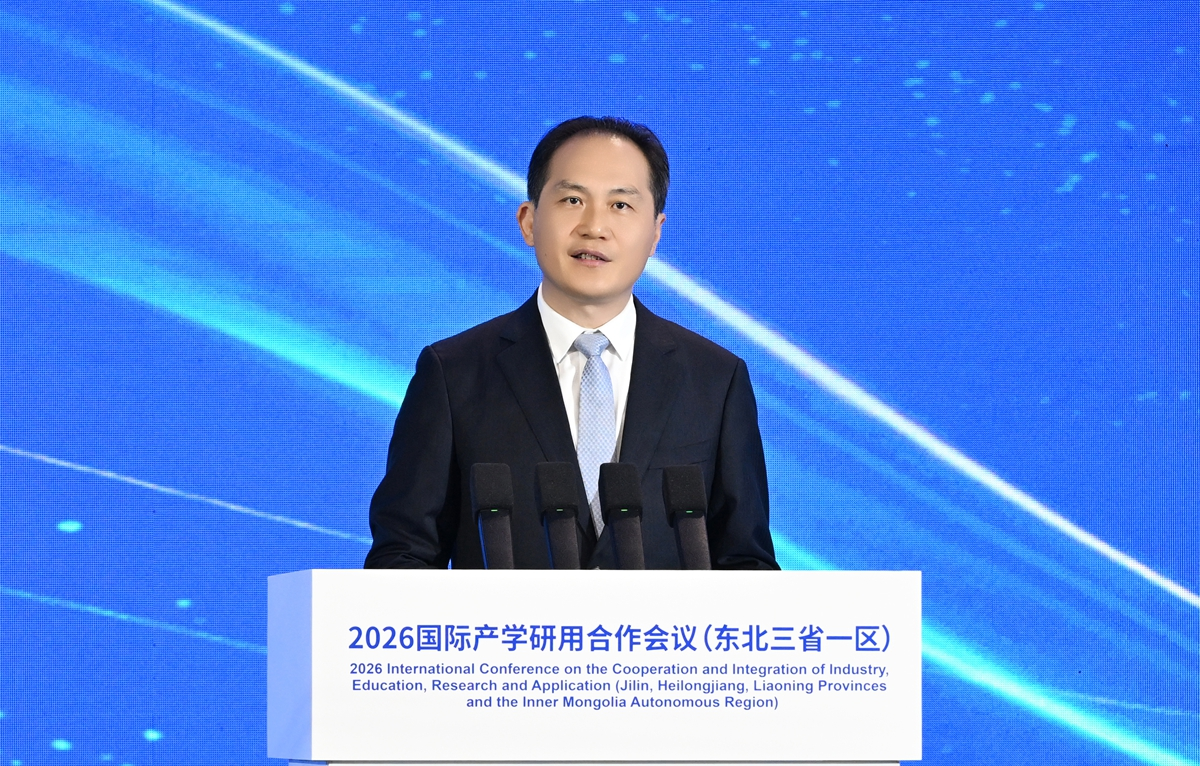
In his address, Sun Jian extended congratulations on the opening of the conference on behalf of the People’s Government of Jilin Province. He noted that since the International Conference on the Cooperation and Integration of Industry, Education, Research and Application was first held in 2019, Jilin Province has established connections with more than 25,000 experts and scholars from 54 countries and reached 169 cooperation agreements, creating new opportunities for innovation and the province’s revitalization. Sun stated that Jilin Province will continue to strengthen its capabilities in education, science and technology, and talent development, while transformating its strengths in education, research, and the humanities into drivers of regional development. He expressed the hope that experts and scholars will focus on the practical needs of Jilin’s industries, carry out joint research on key areas, and open up the pathway from laboratory to industrialization, bringing more cutting-edge outcomes to take root and bear fruit in Jilin.
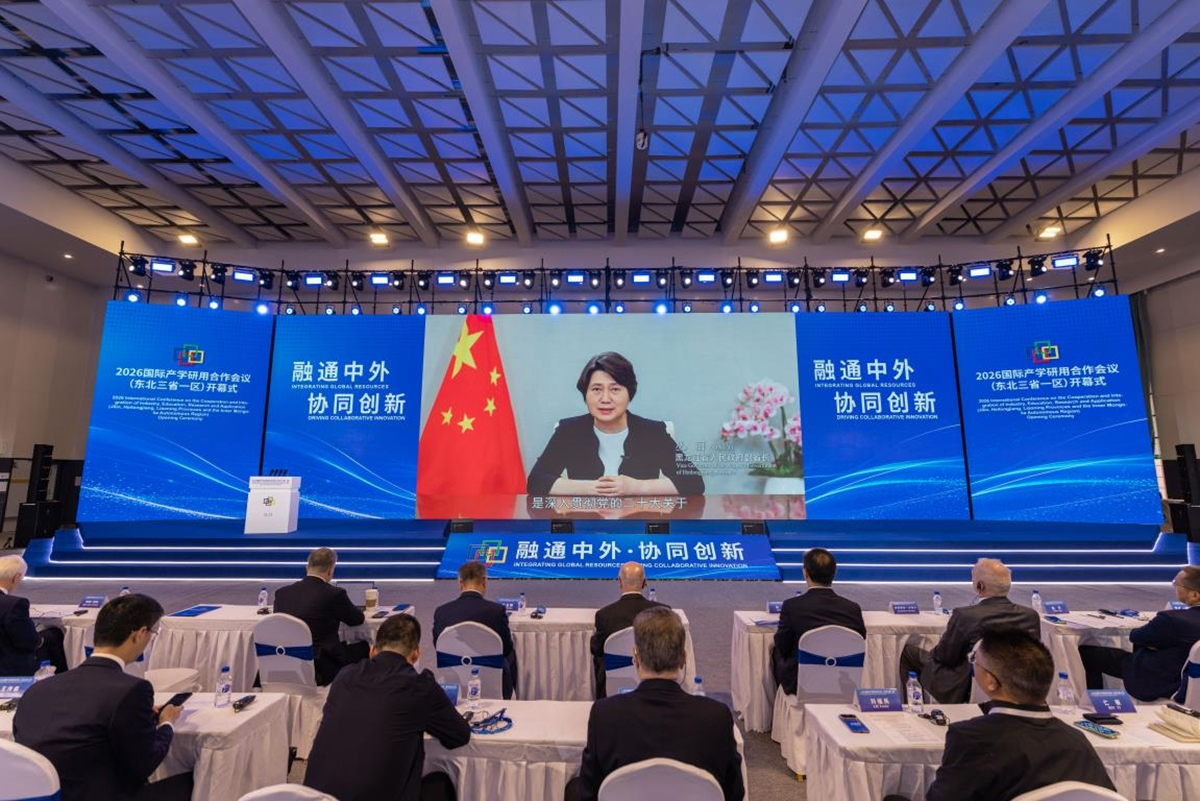
Cong Li stated in her address that Heilongjiang will focus on collaborative research in aerospace, polar technology, artificial intelligence, and biomedicine. The province will also further develop the China–Russia–Mongolia International Center for Scientific and Technological Innovation Cooperation and establish platforms to promote exchanges among young scholars. She added that these efforts will strengthen Heilongjiang’s contribution to national development in education, science and technology, and talent development.
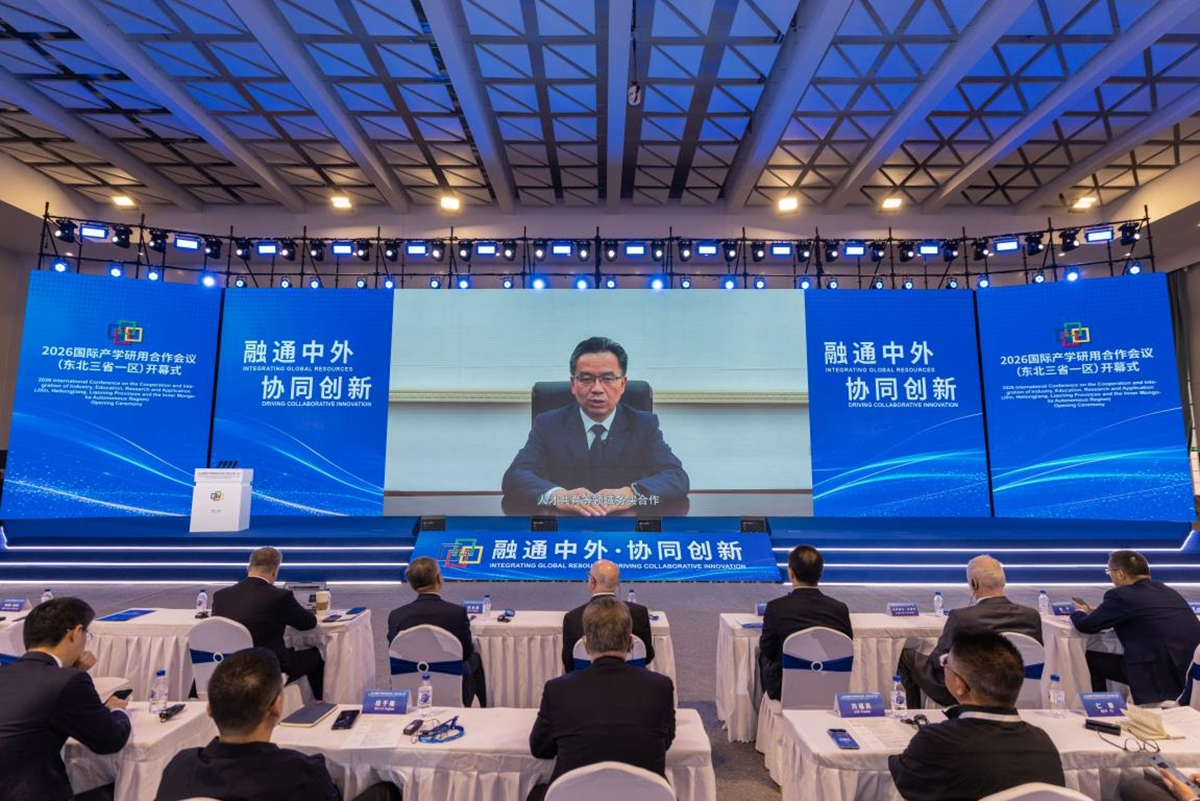
Wu Chungeng stated that Liaoning will continue to strengthen the integration of industry, education, research, and application, nurture and expand new pillar industries, lay out future industries, and promote the use of artificial intelligence across a wide range of sectors.. He added that Liaoning is ready to work with other provinces and the autonomous region in Northeast China to deepen practical cooperation with partners at home and abroad, jointly building a new highland for regional scientific and technological innovation in Northeast China.
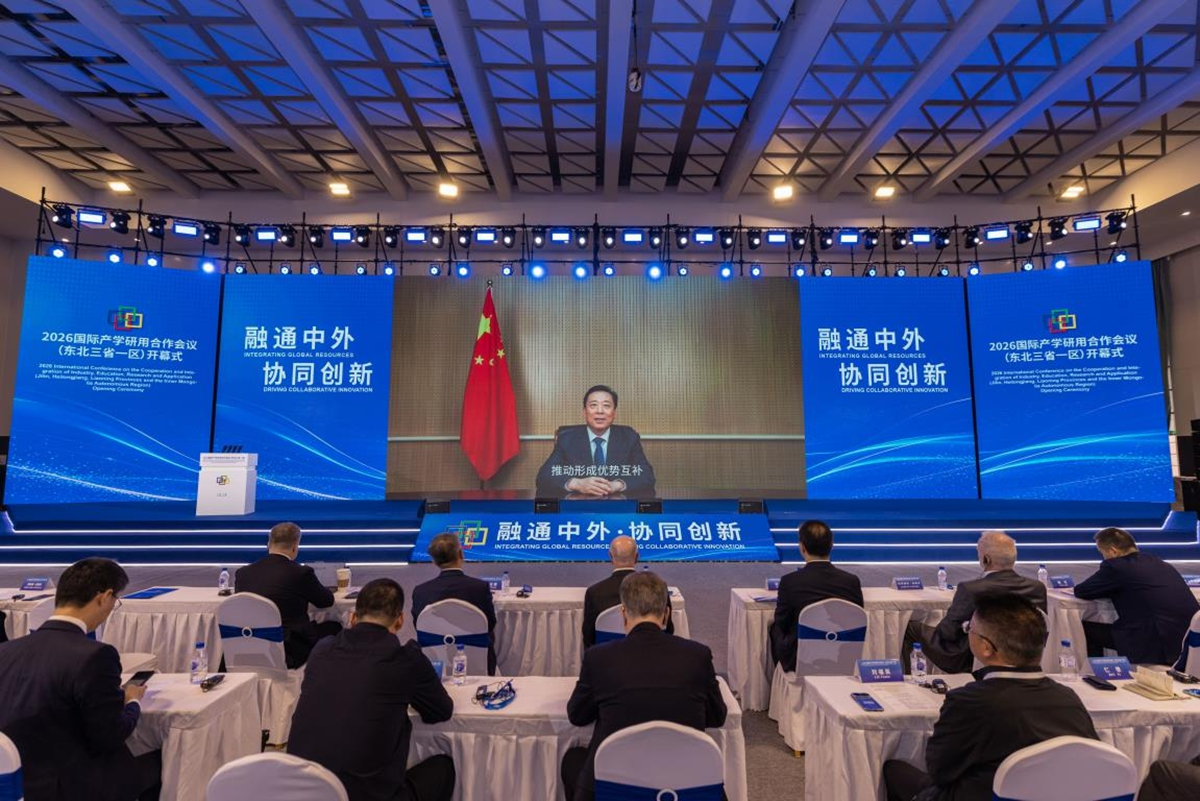
Su He stated that Inner Mongolia will continue to expand international exchanges and regional collaboration in talent cultivation, scientific and technological innovation, and the transfer of research outcomes. He said the region will forge a development community among the “three provinces and one region” characterized by complementary advantages and coordinated, efficient cooperation. He also announced that the 2027 International Conference on the Cooperation and Integration of Industry, Education, Research and Application for Jilin, Heilongjiang, Liaoning Provinces and the Inner Mongolia Autonomous Region will be held in the Inner Mongolia Autonomous Region.He expressed hope that all parties to jointly promote the joint cultivation of talents, academic cooperation, and the sharing of outcomes.
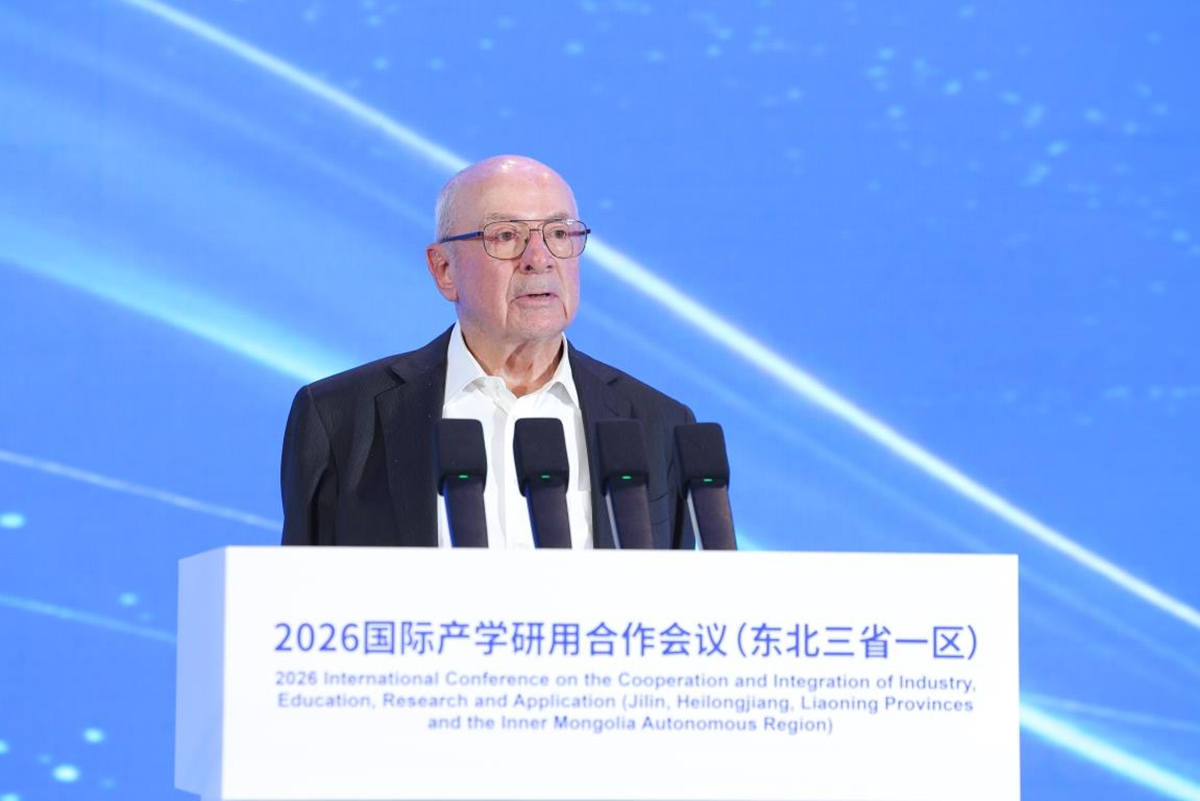
In his address, Johann Deisenhofer emphasized the importance of collaborative innovation and international cooperation in advancing the integration of industry, education, research, and application. He noted that bringing together people from different professional backgrounds to work toward a shared goal is often essential to achieving major scientific breakthroughs.Drawing on his own research experience, Deisenhofer added that interdisciplinary collaboration enables all participating parties to benefit from one another’s expertise and perspectives.. He also stressed the importance of education, noting that it plays a vital role in helping people develop new ways of thinking.
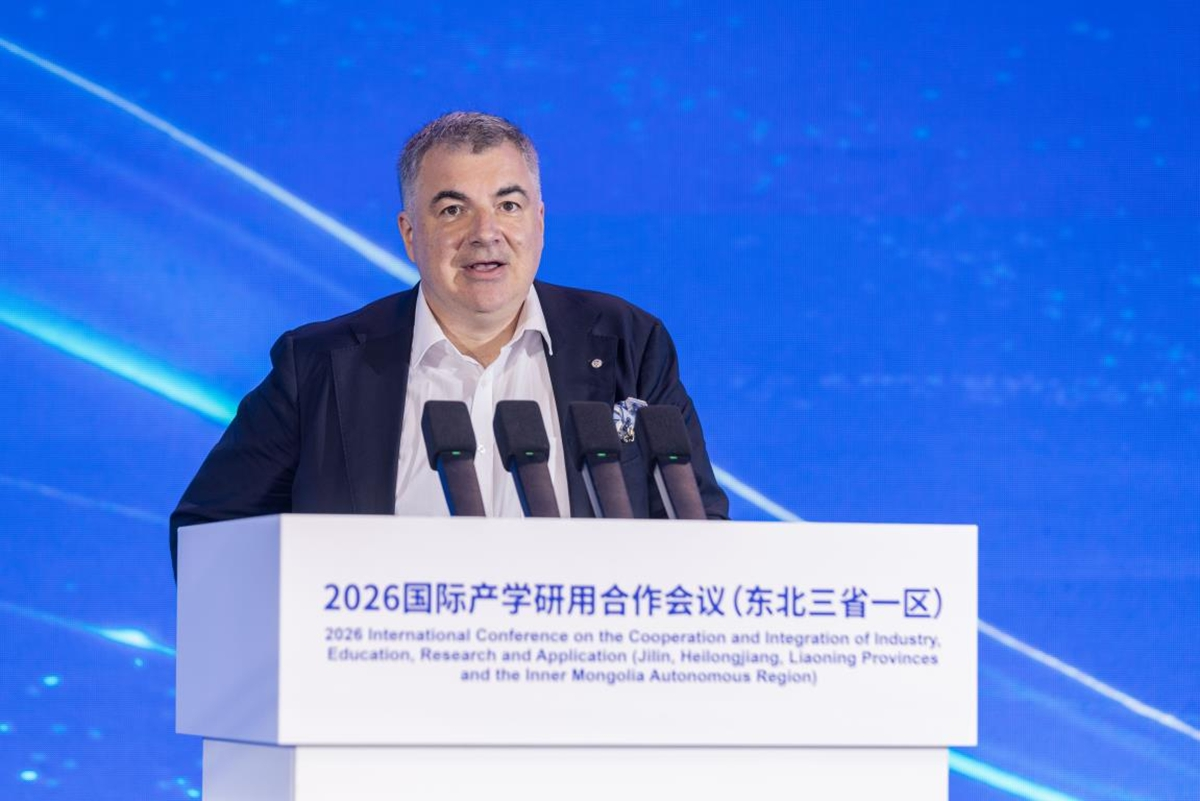
In his address, Konstantin Novoselov noted that fields such as nanoscience and condensed matter physics currently face complex scientific challenges. Addressing these challenges, he said, requires researchers to break down disciplinary barriers, share research resources, exchange new ideas, and strengthen practical international cooperation.He expressed the hope that this conference would establish more long-term academic partnerships and jointly advance the development of nanoscience and advanced materials.
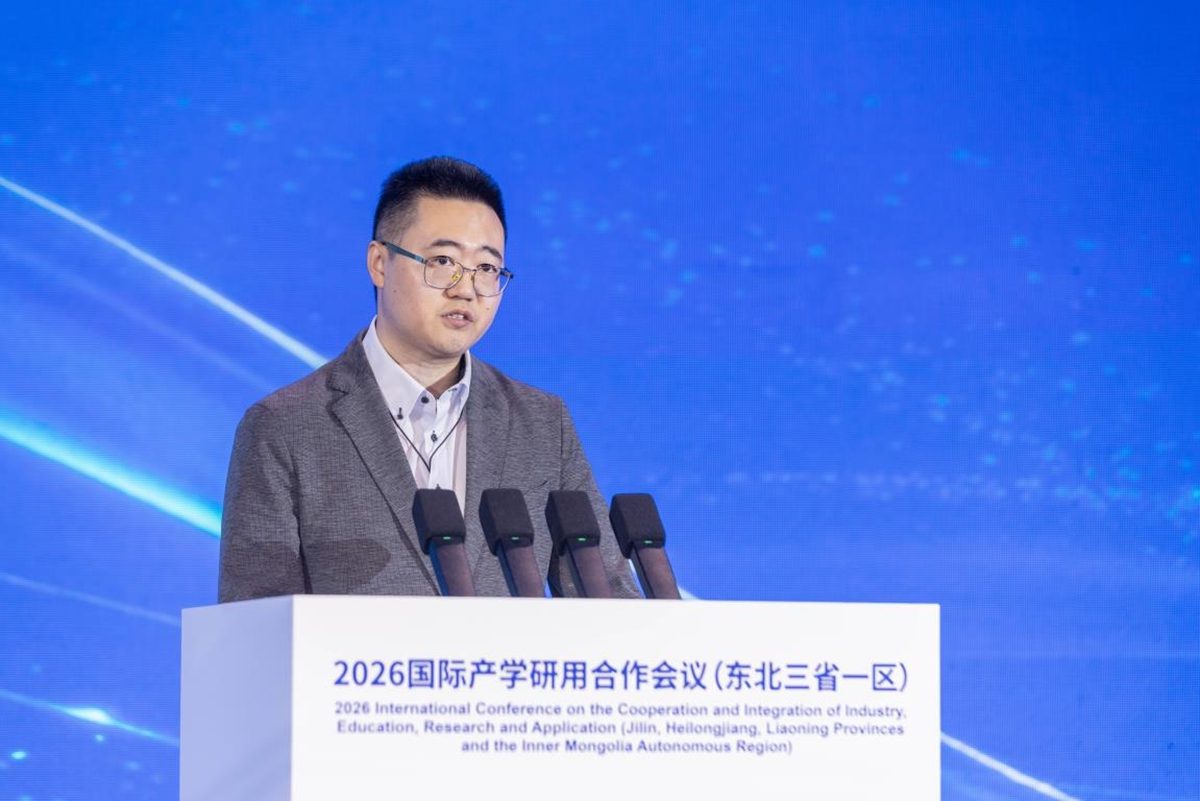
In his address, Wang Chao stated that enterprises are an important participant in the integration of industry, education, research, and application, and can cooperate with universities in building shared platforms, conducting joint research, co-educating talent, and sharing outcomes, thereby effectively linking the innovation chain with the industrial chain.
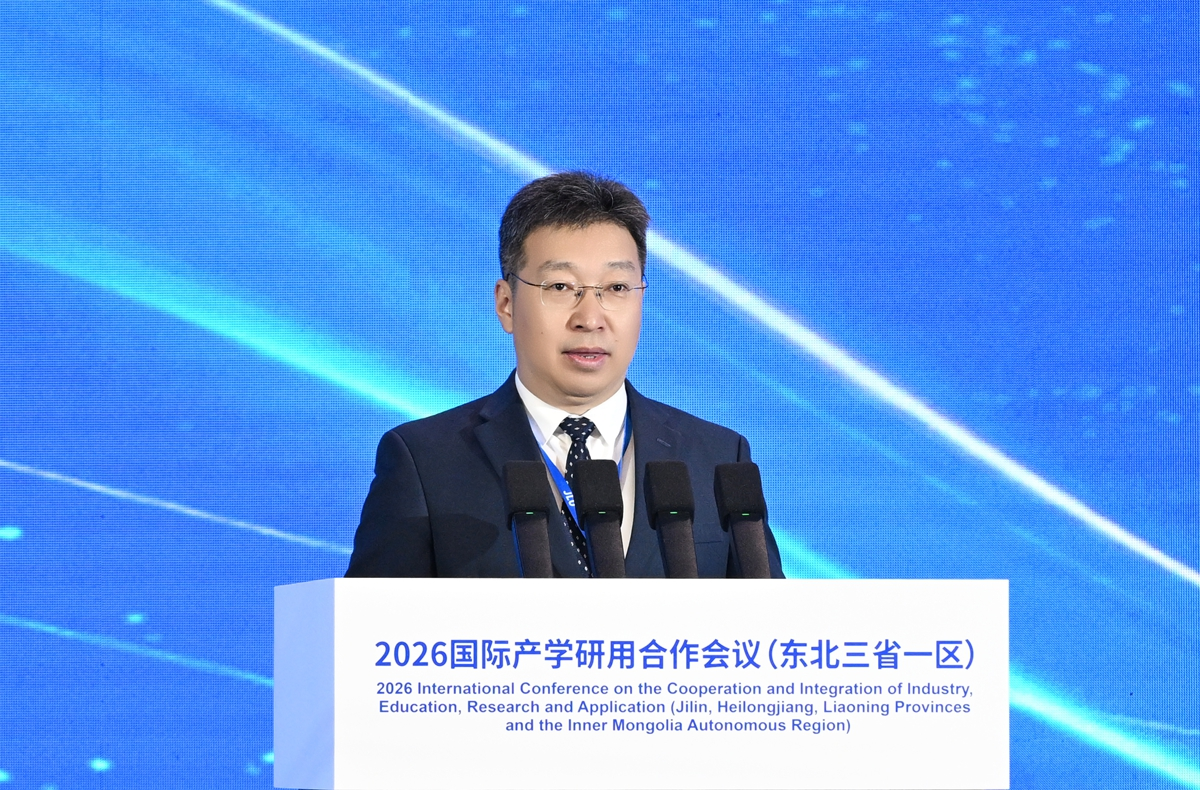
The opening ceremony was moderated by Zhang Hao, Deputy Director-General of the Department of Education of Jilin Province.
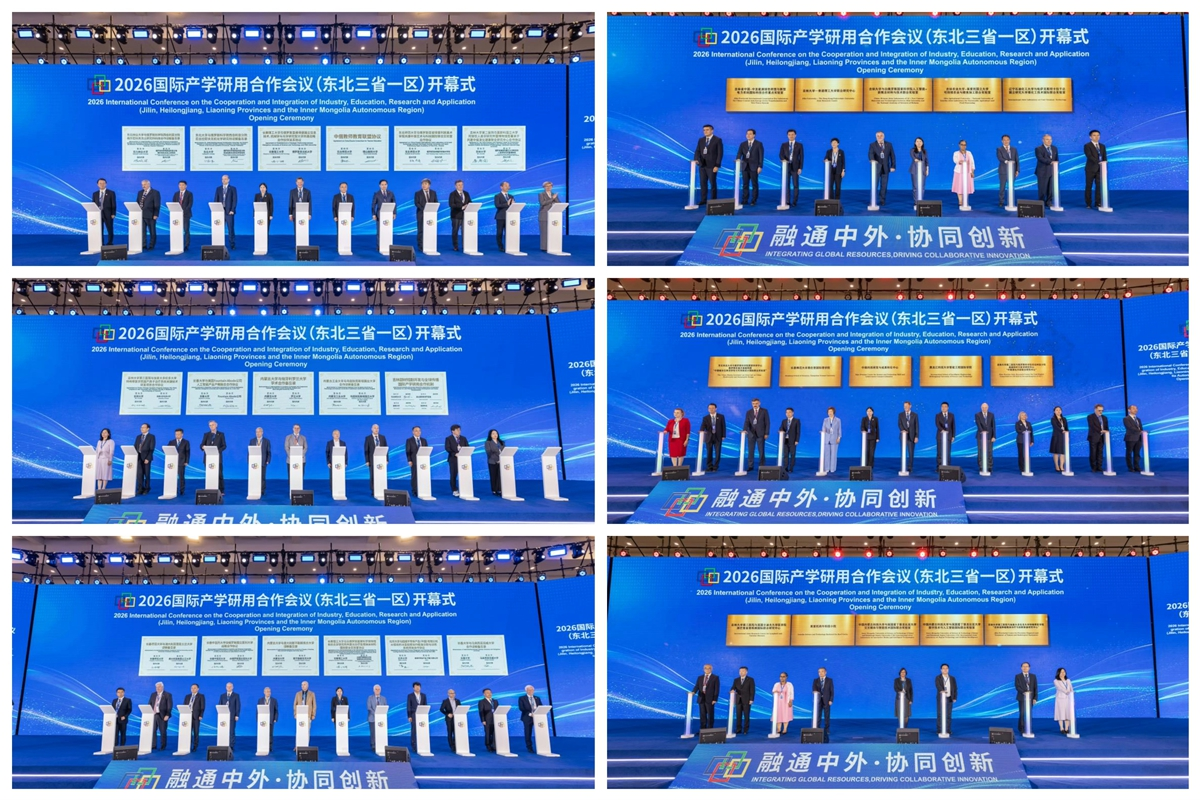
Chao Guiming presided over the signing and unveiling ceremony for cooperation projects. Representatives from 17 universities across three provinces and one autonomous region signed 17 cooperation agreements with partner universities and enterprises, and unveiled 15 cooperation platforms. Zhang Ran, Vice President of Jilin University, together with Academician Vitaly Zalessky, First Deputy Chairman of the Presidium of the National Academy of Sciences of Belarus, jointly unveiled the “Joint Laboratory for Artificial Intelligence + New Concept Materials and Technologies”. Yu Xianghui, Vice President of Jilin University and Zheng Zijian, Vice President (Knowledge Transfer) of the Hong Kong Polytechnic University, unveiled the “Jilin University–Hong Kong Polytechnic University Joint Research Center”. The Second Hospital and Third Hospital of Jilin University also signed several cooperation agreements and launched a number of new collaborative platforms.
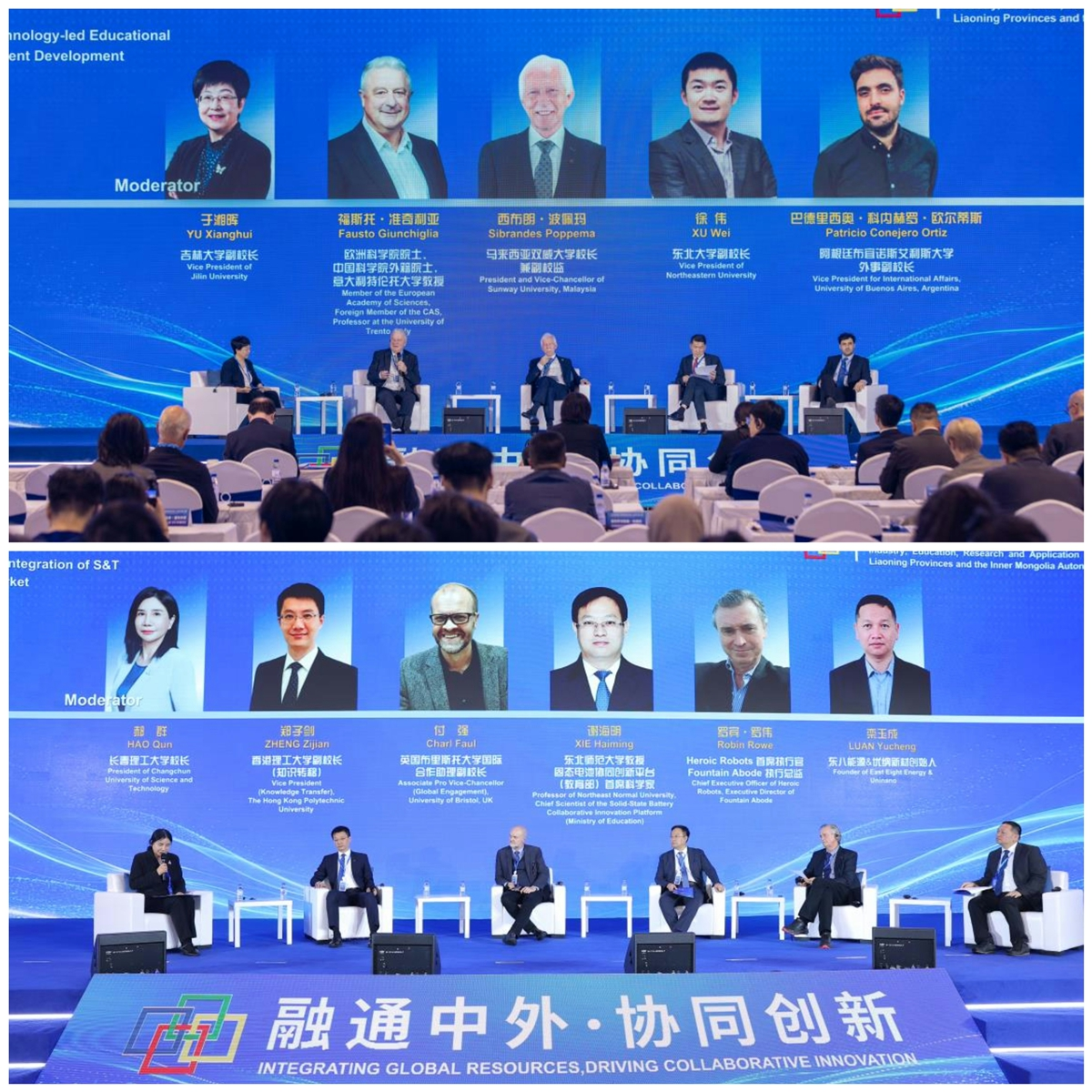
Following the opening ceremony, two roundtable dialogues were held. The first session, with the topic “Reshaping Paradigms: Smart-Technology-led Educational Transformation and Innovative Talent Development” was moderated by Yu Xianghui, Vice President of Jilin University. Participants included Fausto Giunchiglia, Member of the European Academy of Sciences and Foreign Member of the Chinese Academy of Sciences; Sibrandes Poppema, President and Vice-Chancellor of Sunway University, Malaysia; Xu Wei, Vice President of Northeastern University; and Patricia Conejero Ortiz, Vice President for International Affairs of the University of Buenos Aires, Argentina. The speakers exchanged views on the changing roles of universities and the new approaches to talent development in the age of artificial intelligence.
The second session, titled “Breaking Barriers: Full-Chain Integration of S&T Achievements from Lab to Market” was moderated by Hao Qun, President of Changchun University of Science and Technology. Participants included Zheng Zijian, Vice President (Knowledge Transfer) of the Hong Kong Polytechnic University; Charl Faul, Associate Pro Vice-Chancellor (Global Engagement) of University of Bristol, UK; Xie Haiming, Professor of Northeast Normal University; Robin Lowe, Chief Executive Officer of Heroic Robots, USA; and Luan Yucheng, Chairman of Changzhou Youna New Materials Technology Co., Ltd. The speakers shared practical experiences in technology transfer, the development of pilot-testing platforms, and mechanisms for strengthening collaboration among industry, universities, and research institutions.
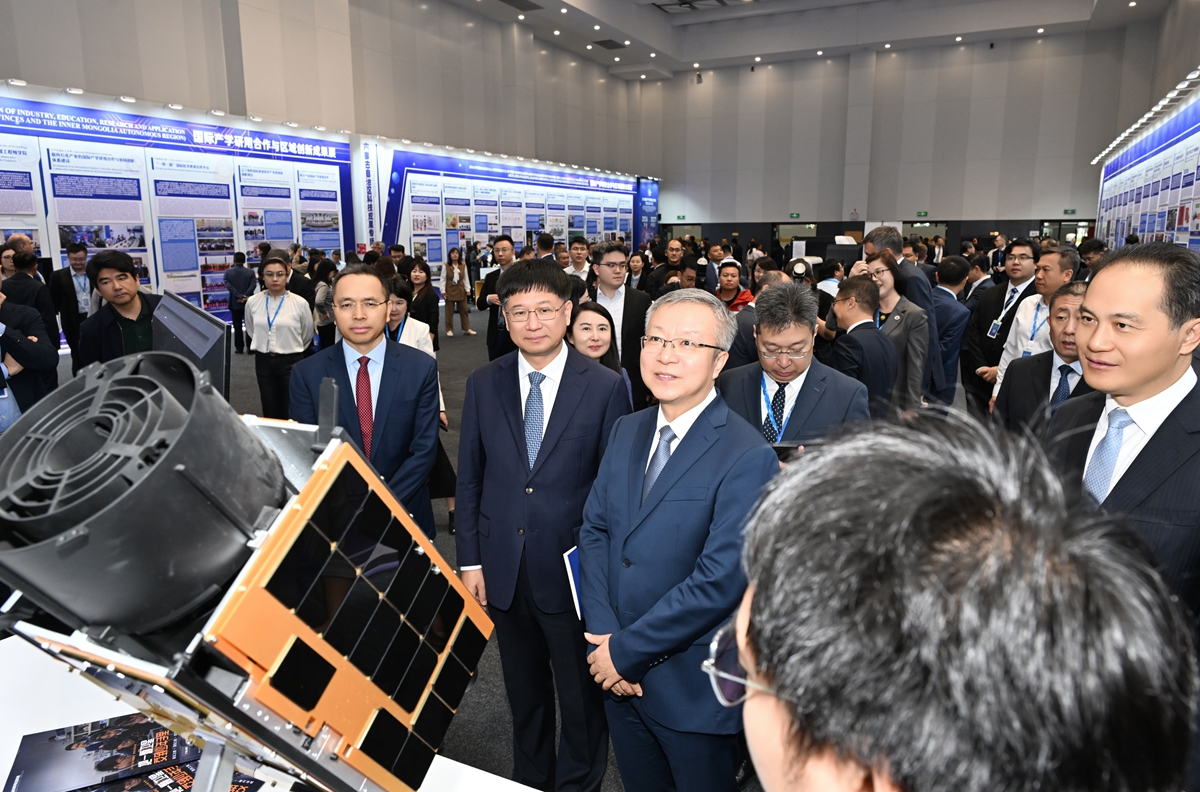
Before the opening ceremony, the conference attendees visited the Exhibition on International Industry Education Research Application Cooperation and Regional Innovation. Universities across the three provinces and one autonomous region showcased 57 cooperation outcomes covering scientific and technological innovation, talent attraction and development, and industrial transformation.
Since 2019, Jilin University has actively participated in the International Conference on the Cooperation and Integration of Industry, Education, Research and Application, steadily expanding practical cooperation with international universities, research institutions, and enterprises. In 2026, the university organized academic forums, workshops, and partnership events across multiple disciplines. These activities promoting interdisciplinary collaboration, joint talent cultivation, and the commercialization of research achievements, while further strengthening Jilin University’s international partnerships in industry, education, and research.