The 8th International Conference of Bionic Engineering (ICBE 2026) was held in Beijing from October 16 to 19. Hosted by the International Society of Bionic Engineering (ISBE) and co-organized by Beihang University and Jilin University (JLU), the conference brought together more than 700 experts, scholars, and industry representatives from 25 countries.
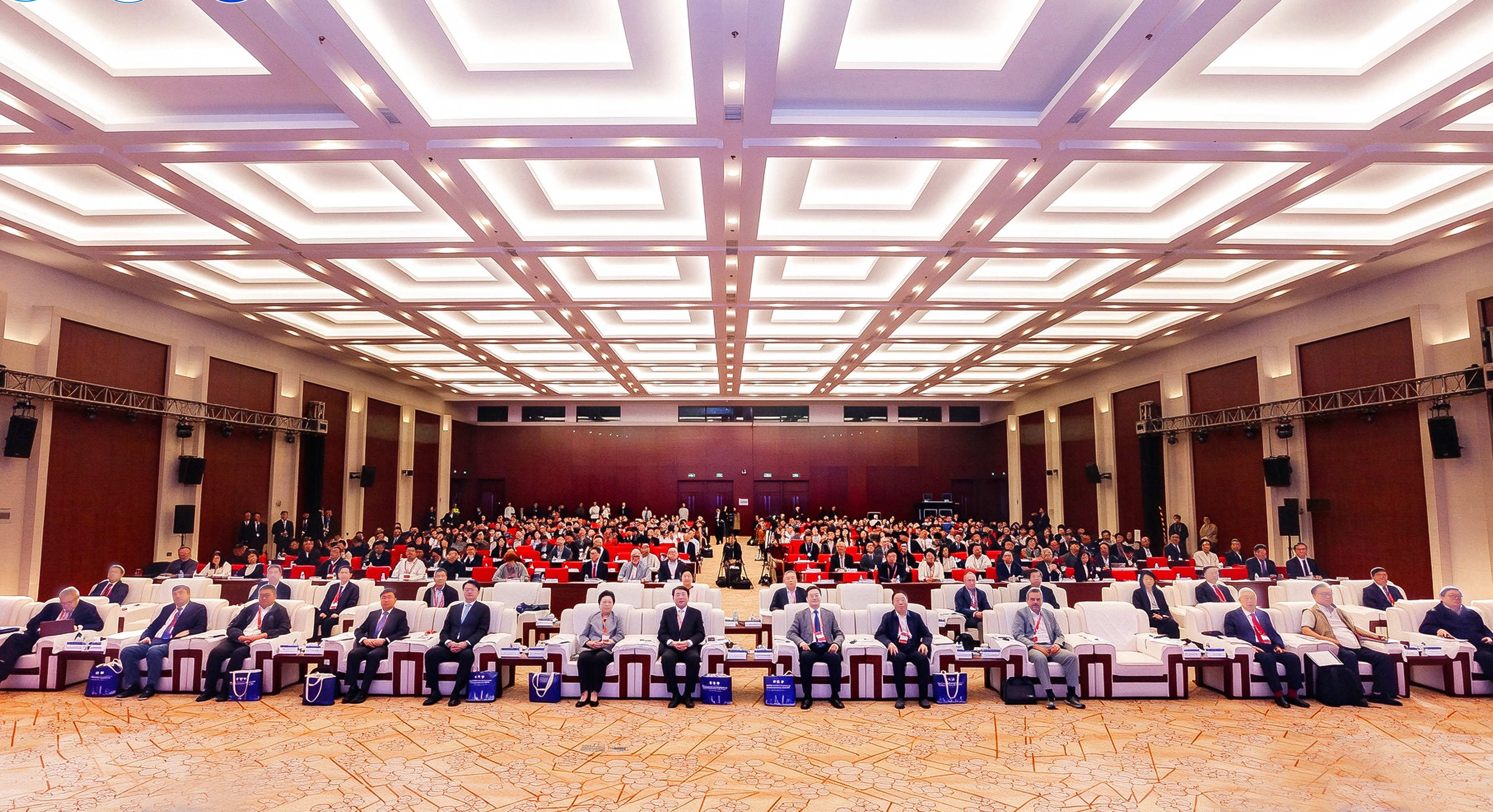
Academician Luquan Ren, President Emeritus of ISBE; Professor Thomas Stegmaier, President of ISBE; Academician Yunpeng Wang, Secretary of the Party Committee of Beihang University; and Professor Guoxing Zhang, Vice President of JLU, attended the conference.
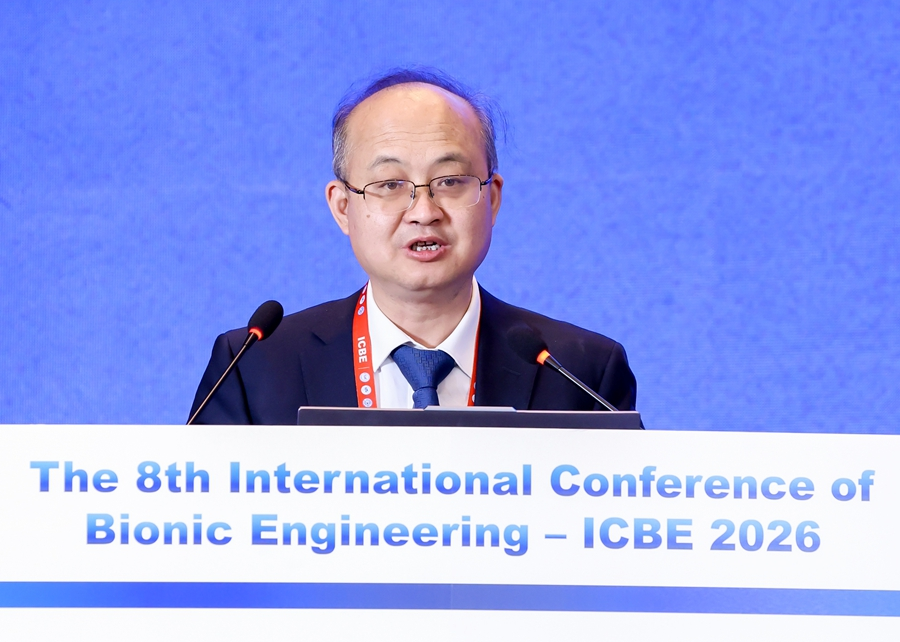
Professor Guoxing Zhang delivered remarks at the opening ceremony. He commended ISBE for its longstanding contributions to the field and its commitment to openaccess. He noted that JLU, which with its established research in bionic engineering, will further strengthen partnerships with universities and research institutions worldwide to advance bionic research, talent development, and technology transfer.
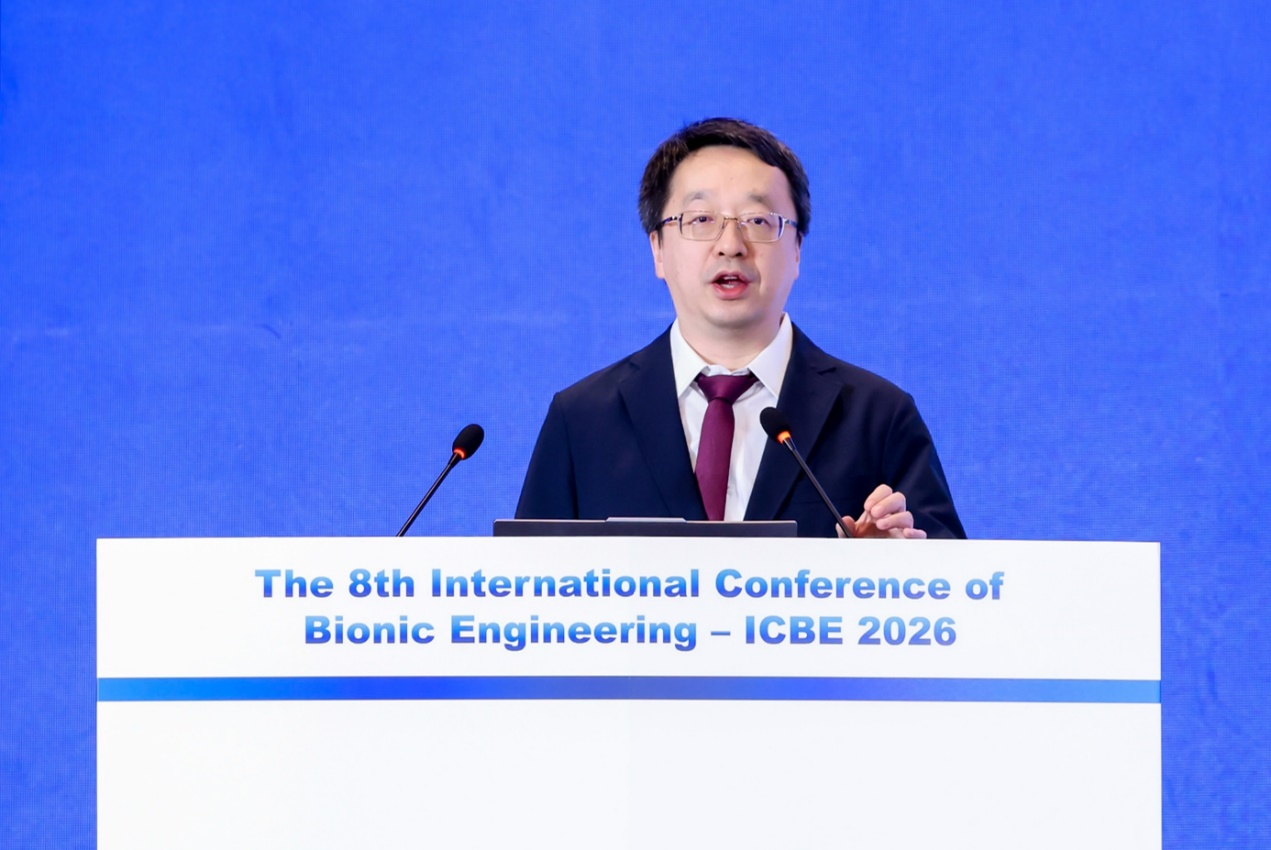
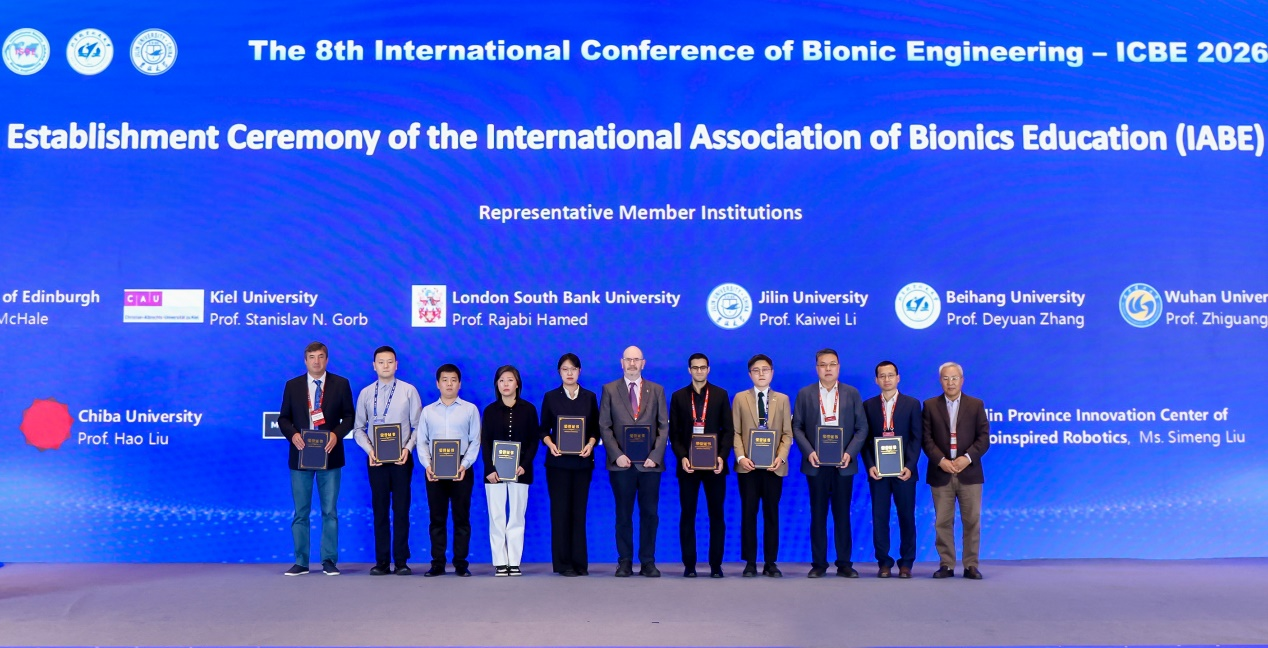
During the opening session, Professor Lei Ren, Standing VicePresident of ISBE, presented a report on the work of the Society’s Board of Directors. The ceremony also marked the official launch of the International Association of Bionics Education (IABE) and the International Association of Bionics Industry (IABI), the opening of the ISBE Exhibition Halls and establishment of ISBE Student Chapters.
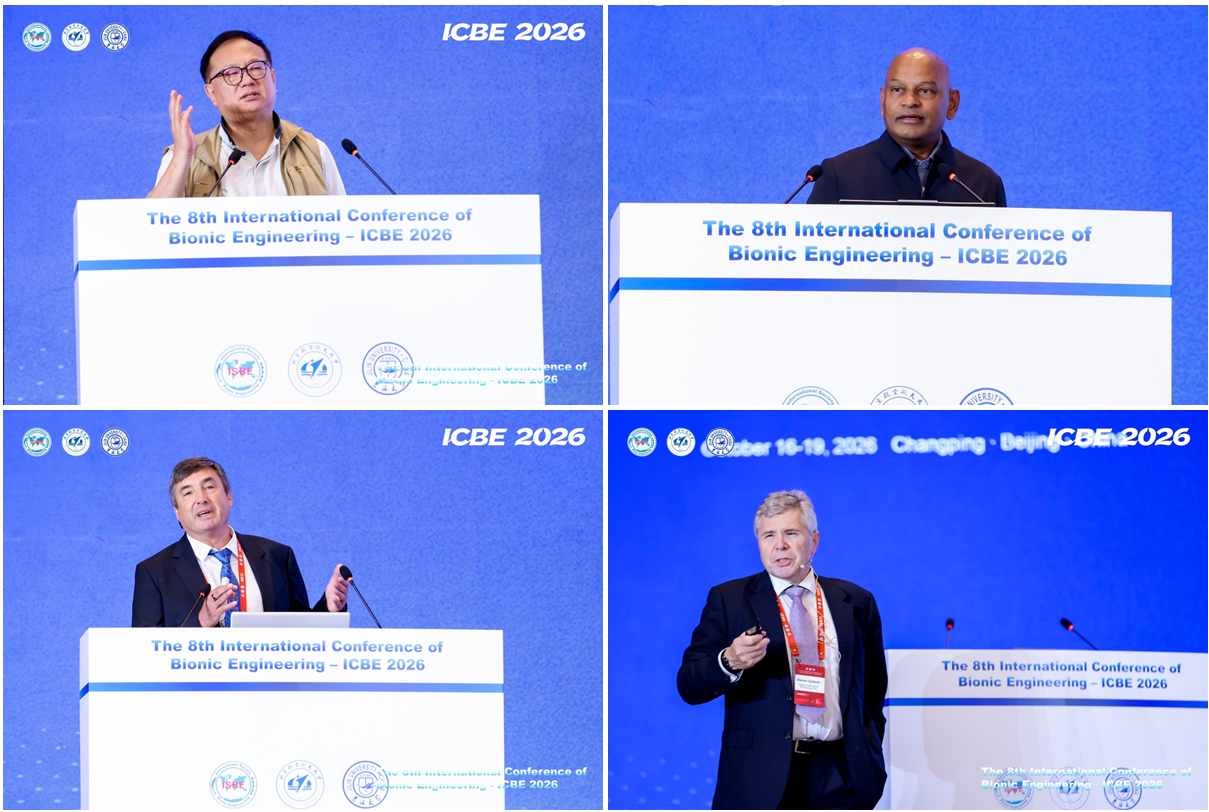
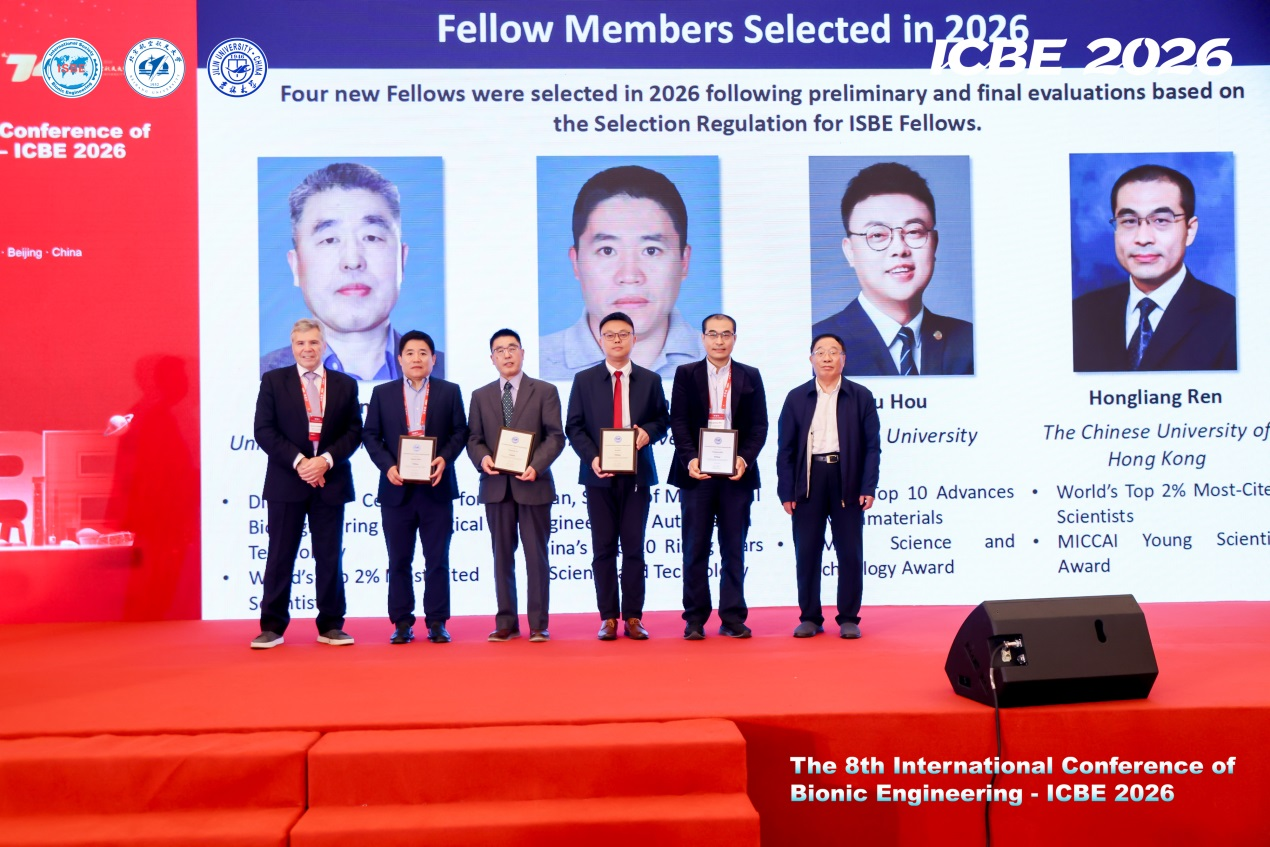
The conference featured more than 400 academic presentations, including 13 plenary lectures, 65 keynote speeches and 167 invited talks. Professor Lei Jiang of theUniversity of Science and Technology of China, Professor Seeram Ramakrishna of Tsinghua University, Professor Stanislav Gorb of Kiel University, Professor Darwin Caldwell of the Istituto Italiano di Tecnologia. The shared the latest advances in bionic engineering.The ISBE Fellow granting ceremony was also held during the conference.
As a major international platform for researchers and practitioners in bionic engineering, the ICBE 2026 provided opportunities for academic exchange and collaboration among bionic researchers worldwide, promote the practical application of bionic technologies, and offer a forum to discuss key challenges facing the field.