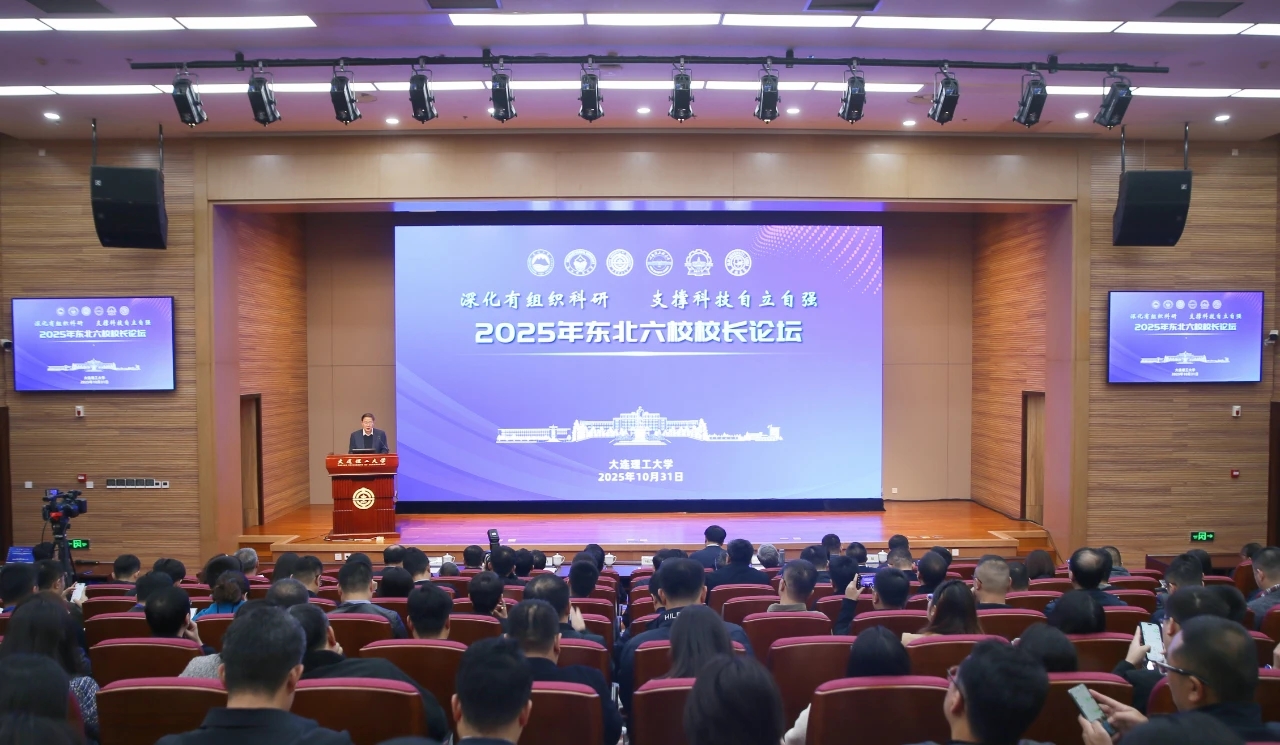
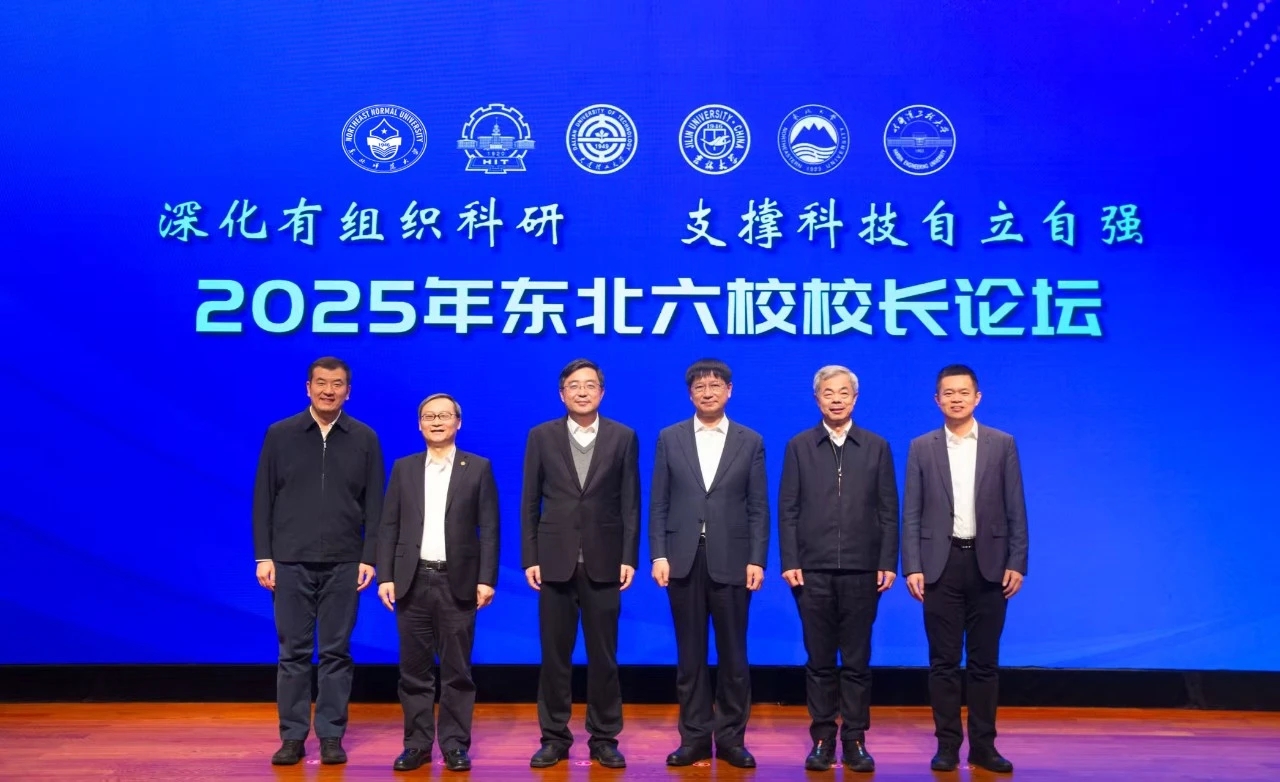
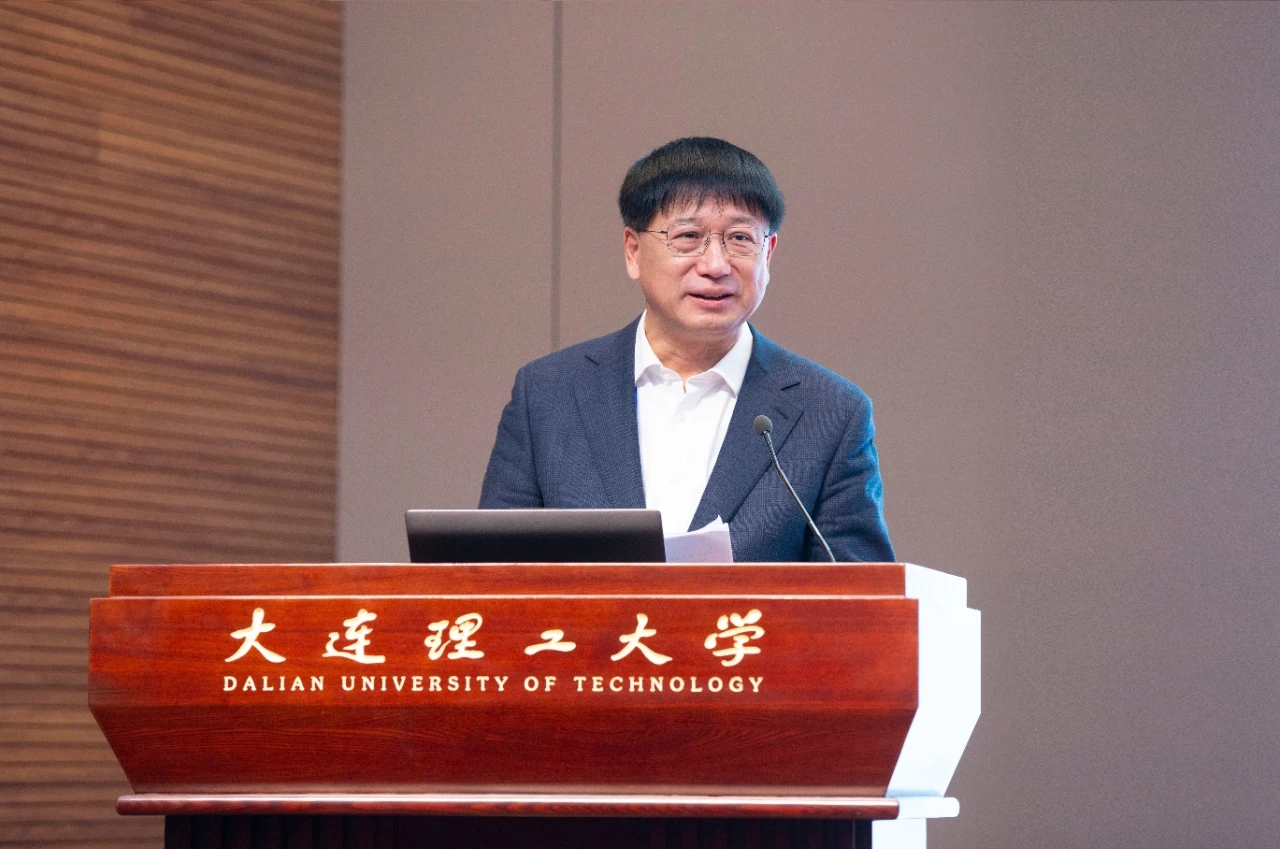
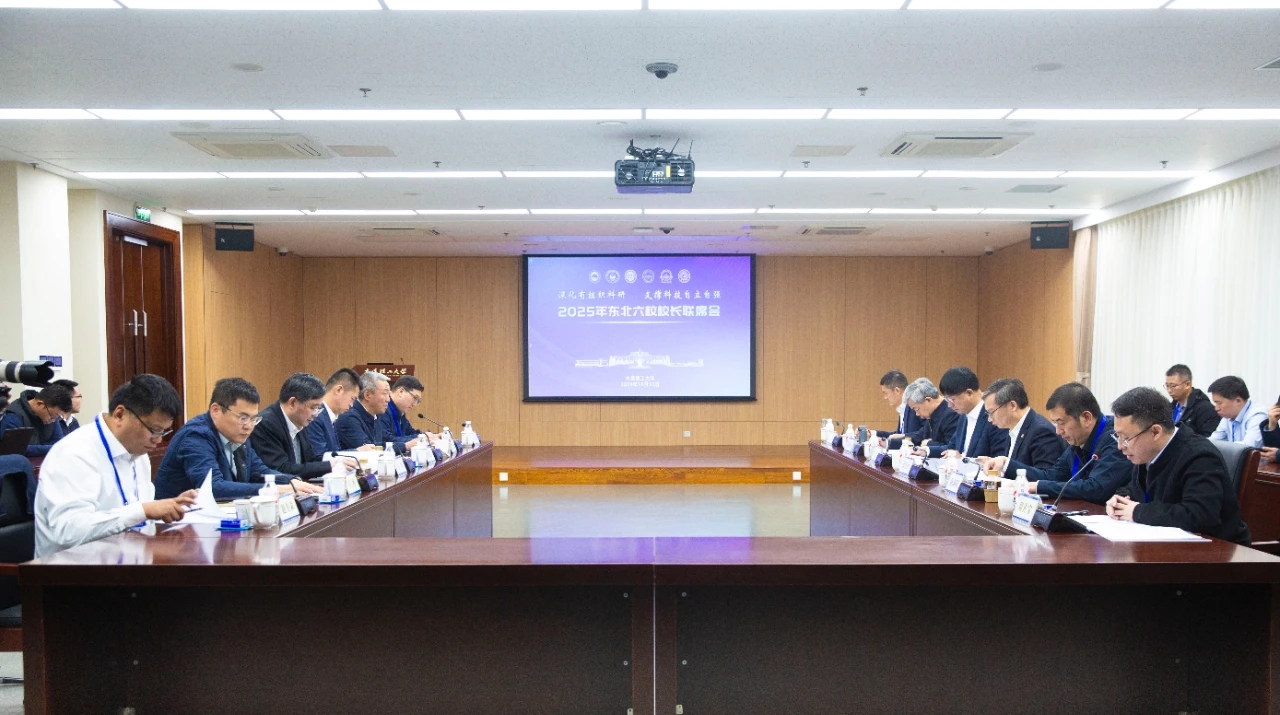
On October 31, the 2025 Northeast Six Universities Presidents' Forum was held at Dalian University of Technology. The forum, themed “Deepening Organized Scientific Research to Support Self-Reliance and Self-Improvement in Science and Technology,” was attended by Zhang Xi, President of Jilin University, who delivered a report titled “Reflections on Scientific Research and Its Organizational Models.” Other participants included Han Jiecai, President of Harbin Institute of Technology; Gao Xiang, President of Dalian University of Technology; Feng Xiating, President of Northeastern University; Yin Jingwei, President of Harbin Engineering University; and Xu Haiyang, President of Northeast Normal University. Xiang Changle, Secretary of the CPC Dalian University of Technology Committee, delivered a welcome speech.
In his report, Zhang Xi categorized valuable scientific research into three types: the “Bohr Type”, which creates new knowledge; the “Edison Type”, which addresses practical problems; and the “Pasteur Type”, which combines both. He emphasized that different types of research require distinct organizational models. Basic research is often bottom-up, relying on mutual trust and long-term collaboration among researchers motivated by curiosity and the pursuit of excellence. In contrast, addressing technological bottlenecks demands top-down organized research, with the structure tailored to the specific scientific challenges.
Zhang Xi highlighted that education and scientific research each follow their own developmental logic and cannot be rushed. Scientific research is not a race against time; it requires careful reading, reflection, experimentation, and even embracing failure. He advocated for “slow science,” encouraging young faculty to avoid blindly chasing research trends, take calculated risks, embrace failure, and boldly explore new areas. Achieving the goals of scientific and technological development—“reaching the heights of innovation, serving practical needs, and nurturing talent”—requires continuous improvement of the research evaluation system and fostering a research culture that supports original achievements and outstanding talent.
He further noted that universities should strengthen curiosity-driven basic research to cultivate original discoveries while actively promoting problem-driven applied research to address the country’s strategic needs. Equally important is the cultivation of high-level talent through high-quality research. Zhang Xi expressed hope that the six universities in Northeast China would continue to strengthen cooperation, promote complementary advantages, integrate resources, and build a regional center for scientific and technological innovation and talent development. Such collaboration aims to lead innovative development in higher education, accelerate the construction of a strong educational nation, and contribute to the comprehensive revitalization of Northeast China.
Following the forum, the 2025 Joint Meeting of Presidents of the Northeast Six Universities was held to discuss and determine the host university and theme for the 2026 forum.