The “O-FIB Effect” project team from Jilin University (JLU) in Northeast China’s Jilin province won the second prize of the State Natural Science Award 2023 which was announced on June 24, 2024.
This is the second time that the project team, composed of Professor SUN Hongbo, Associate Professor WANG Lei, Ph.D. graduate LI Zhenze, Associate Professor HAN Dongdong and Professor CHEN Qidai from JLU, has won such an honor since 2020.
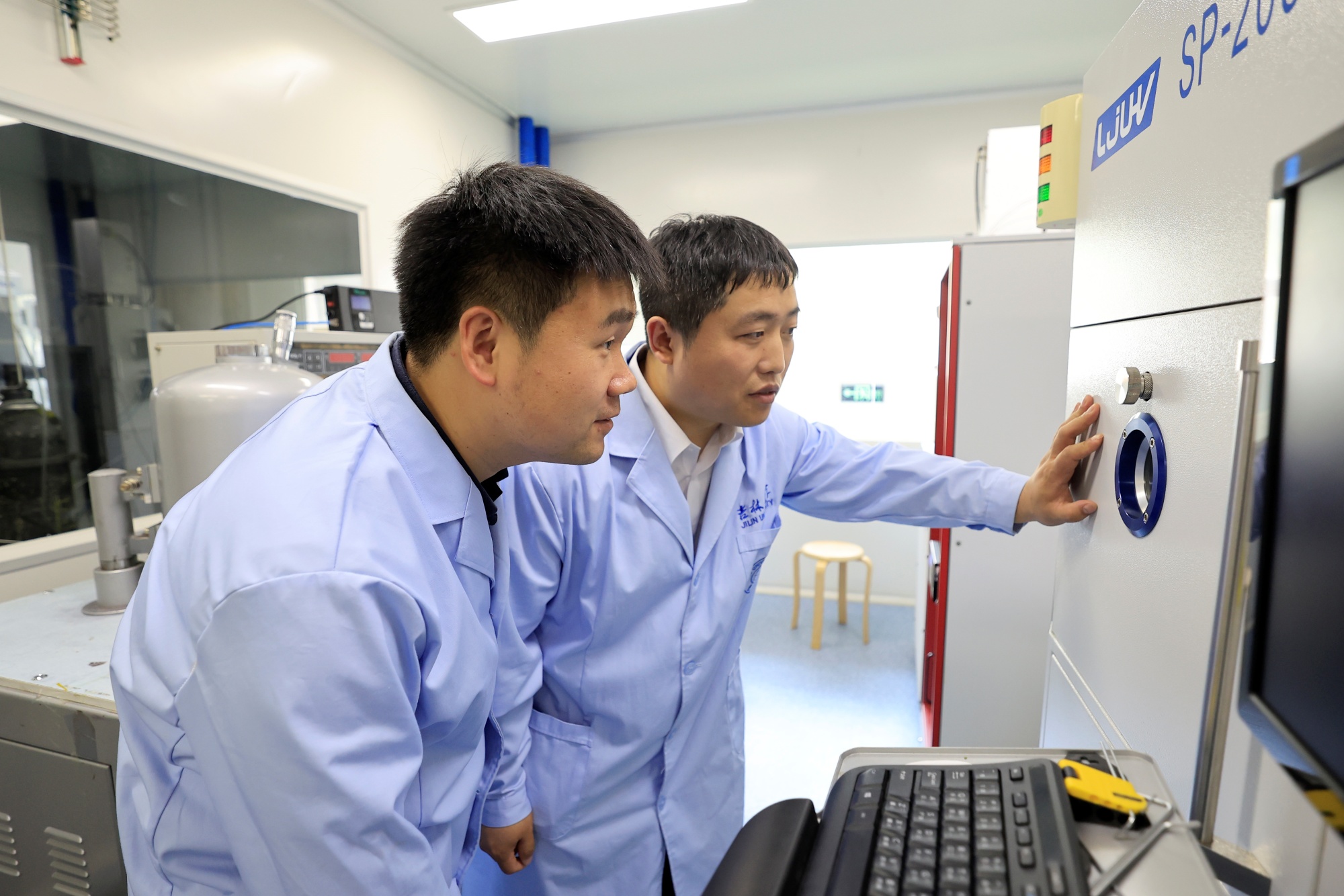
The team overcame long-standing challenges in the field of optics, initiating the groundbreaking concept of optical far-field-induced near-field breakdown (O-FIB) after over 10 years of efforts, achieving super-high-resolution processing of up to 7nm for solid materials.
This innovation has not only opened up new possibilities for nanoscale writing but also injected new momentum into China’s development of industrial and defense technologies.
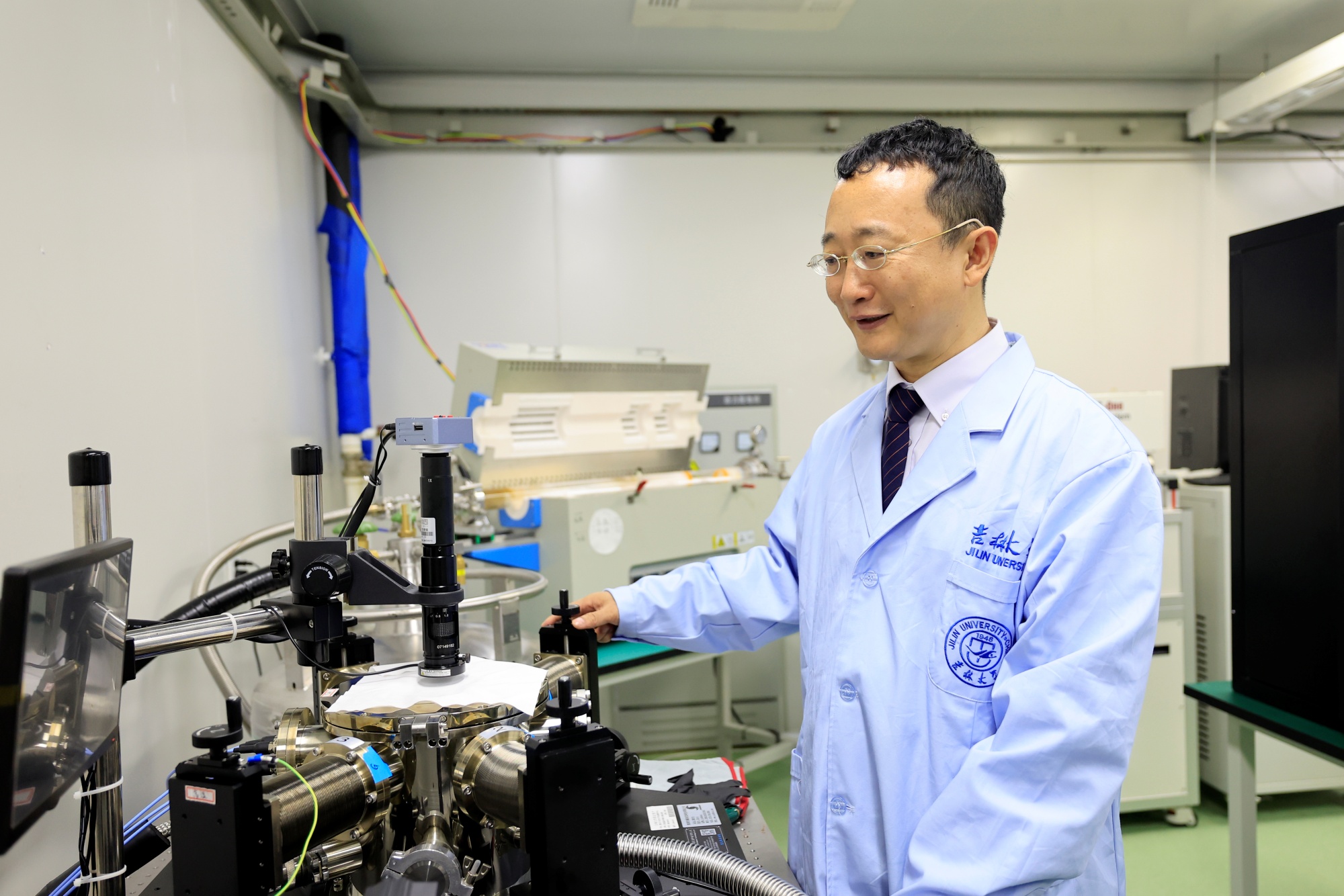
The project’s concept, technology, and methods have gained wide recognition among counterparts both at home and abroad, including Laureates of the Nobel Prize for Physics. Five representative papers by the project team have been cited by 43 countries and more than 700 research institutions, including five leading international optical research institutions.
The project’s results have been applied in several key national projects and will continue to play an important role in the precision manufacturing of special performance machinery and electronic component systems, significantly contributing to China’s long-term scientific and technological development and enhancing the country’s industrial competitiveness on the global stage.
All these achievements have been due to a series of reform measures in scientific research, teaching, talent team building, and infrastructure construction conducted by the College of Electronic Science and Engineering at JLU, to which the “O-FIB Effect” project team belongs, said LU Geyu, Dean of the college and Director of the State Key Joint Laboratory of Integrated Optoelectronics at JLU.
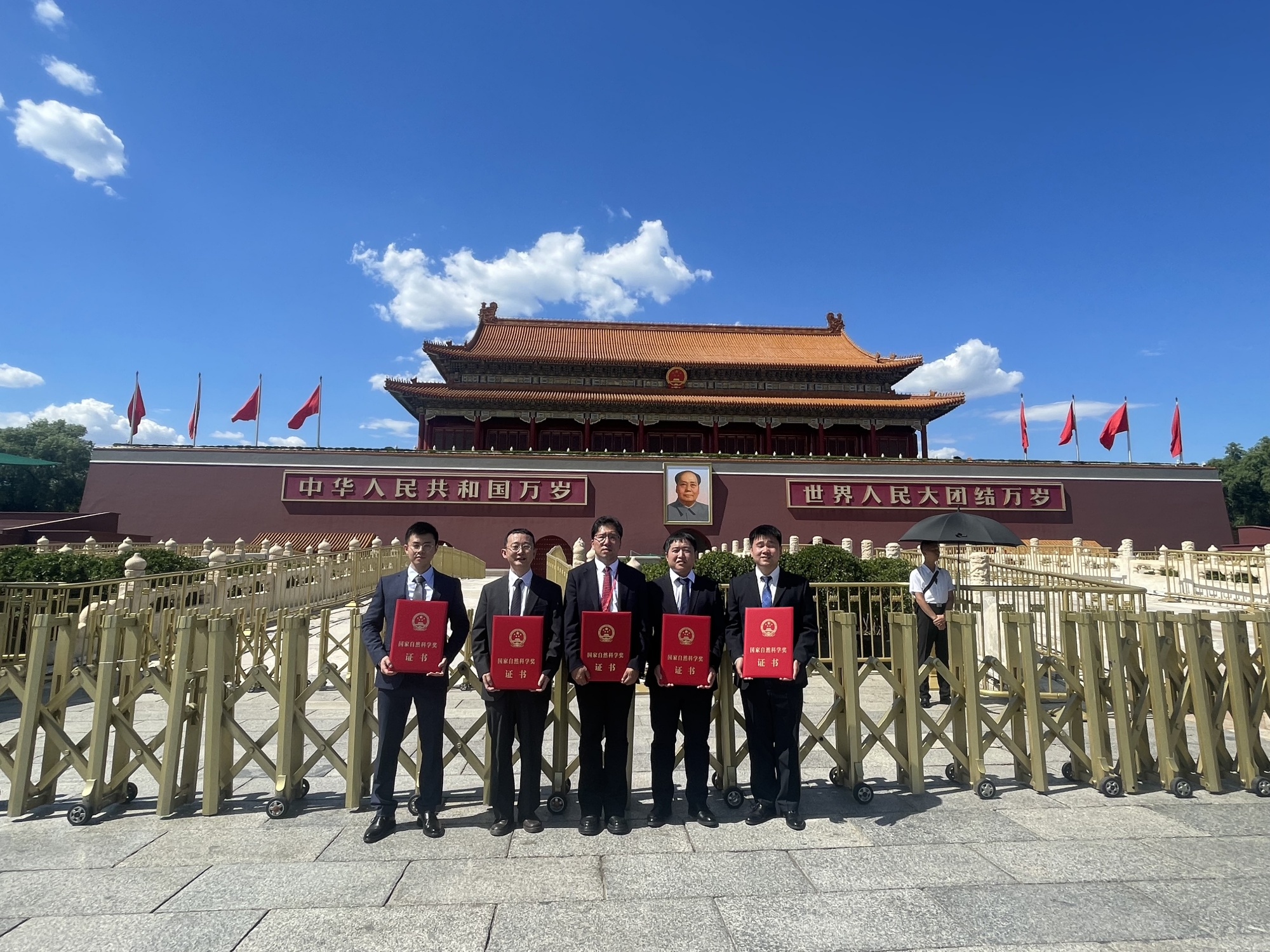
The college has continuously strengthened its research capabilities and cultivated a large number of outstanding young scientists through its “team-based talent introduction” strategy since 2006, with young and middle-aged talent being the backbone.