To further advance the university's internationalization strategy and expand high-level education partnerships, Prof. Zhang Xi, President of Jilin University, led a delegation to the United Kingdom from May 18 to 21. During their visit, the delegation visited the University of Bristol and the University of Birmingham to strengthen practical cooperation and explore new opportunities for collaboration with leading British universities.
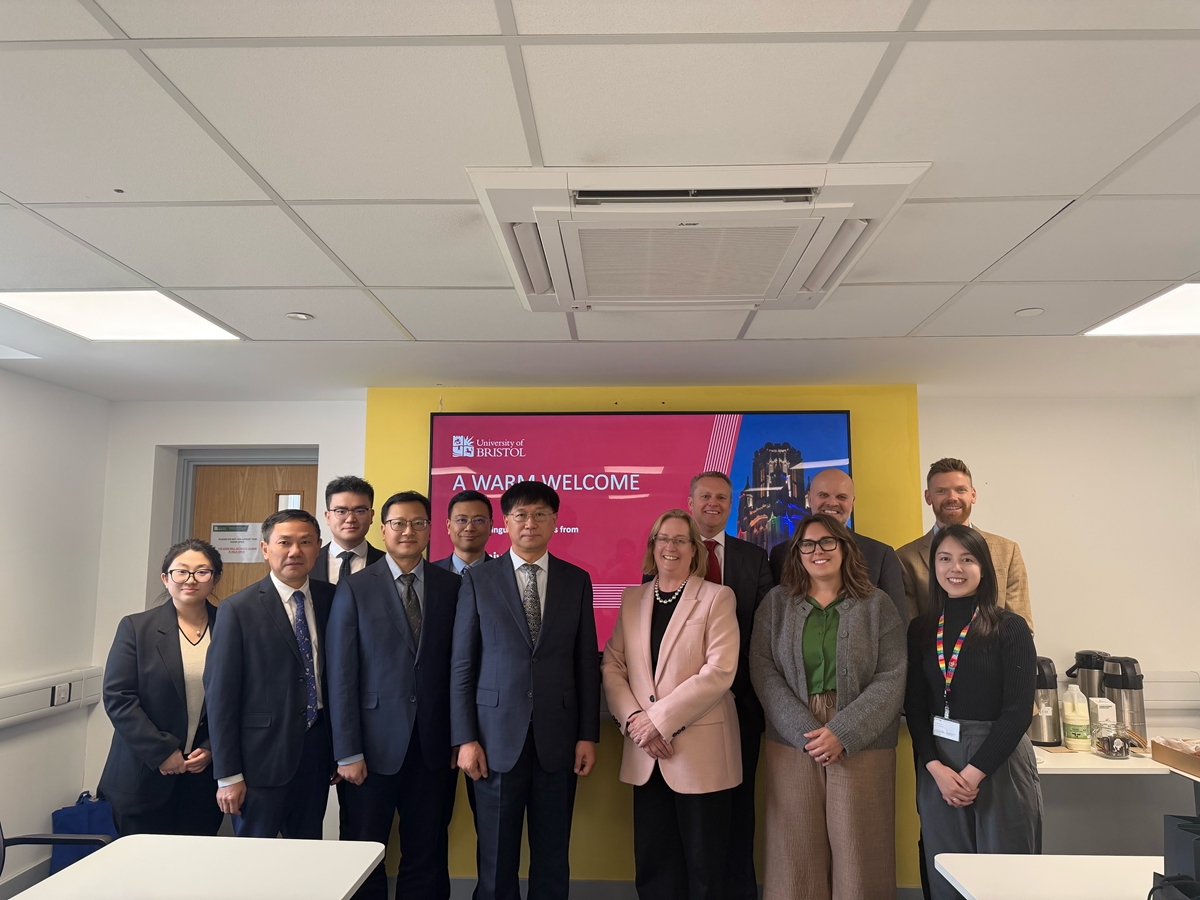
During the visit to the University of Bristol, Zhang Xi met with Prof. Evelyn Welch, Vice Chancellor and President of the university. Prof. Welche spoke highly of Jilin University's academic strength and achievements in talent cultivation, and praised the long-standing partnership between the two institutions. She noted that the two universities have established a strong and productive record of collaboration in chemistry, providing a solid foundation for further cooperation. Forgiven their complementary academic strengths and significant potential for collaboration, she suggested expanding joint efforts in emerging interdisciplinary fields such as renewable energy and environmental studies, earth sciences, and computer science. Prof. Welche also emphasized the importance of exploring innovative cooperation models, broadening the scope of collaboration, and further enhancing the depth, quality, and impact of the partnership.
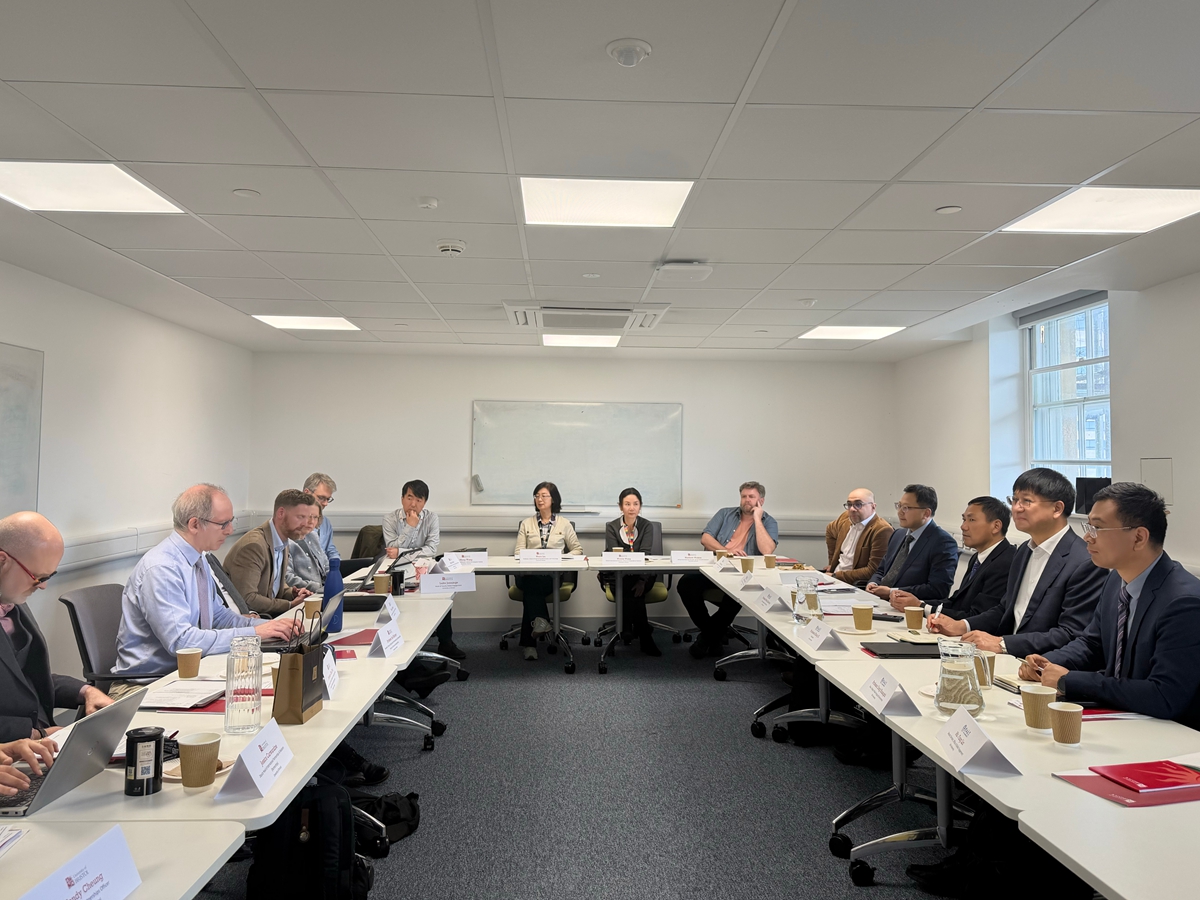
Zhang Xi reviewed long-standing academic ties and successful research collaborations between the two universities. He also introduced Jilin University's disciplinary strengths, achievements in interdisciplinary research, recent progress made under China’s Double First-Class Initiative. He expressed his hope that, through pragmatic and efficient exchanges in key academic fields, could the two institutions further explore opportunities for collaboration, launch joint research projects and achieve mutually beneficial outcomes.
Prof. Ian Bond, Pro Vice-Chancellor of the University of Bristol, introduced the development of the Temple Quarter Enterprise Campus and highlighted the university’s achievements in promoting innovation and collaboration between academia and industry. The meeting was chaired by Prof. Charl Faul, Associate Pro Vice Chancellor (Global Engagement) , who also accompanied the delegation throughout the visit.
Prof. Yang Bo, Dean of the College of Computer Science and Technology (School of Software), Prof. Shan Xuanlong, Dean of the College of Earth Sciences, and Prof. Dong Shuangshi, Dean of the College of New Energy and Environment, participated in discipline-specific discussions with counterparts from the Faculty of Engineering, Mathematics and Computer Science, the School of Geographical Sciences, the School of Earth Sciences, and the School of Civil, Aerospace and Design Engineering at the University of Bristol. The two sides held in-depth discussions on a range of topics including discipline co-development, collaborative cutting-edge research, joint education of students, and faculty exchange. The discussions resulted in several promising areas of cooperation and established a solid foundation for building long-term institutionalized collaborations across multiple disciplines.
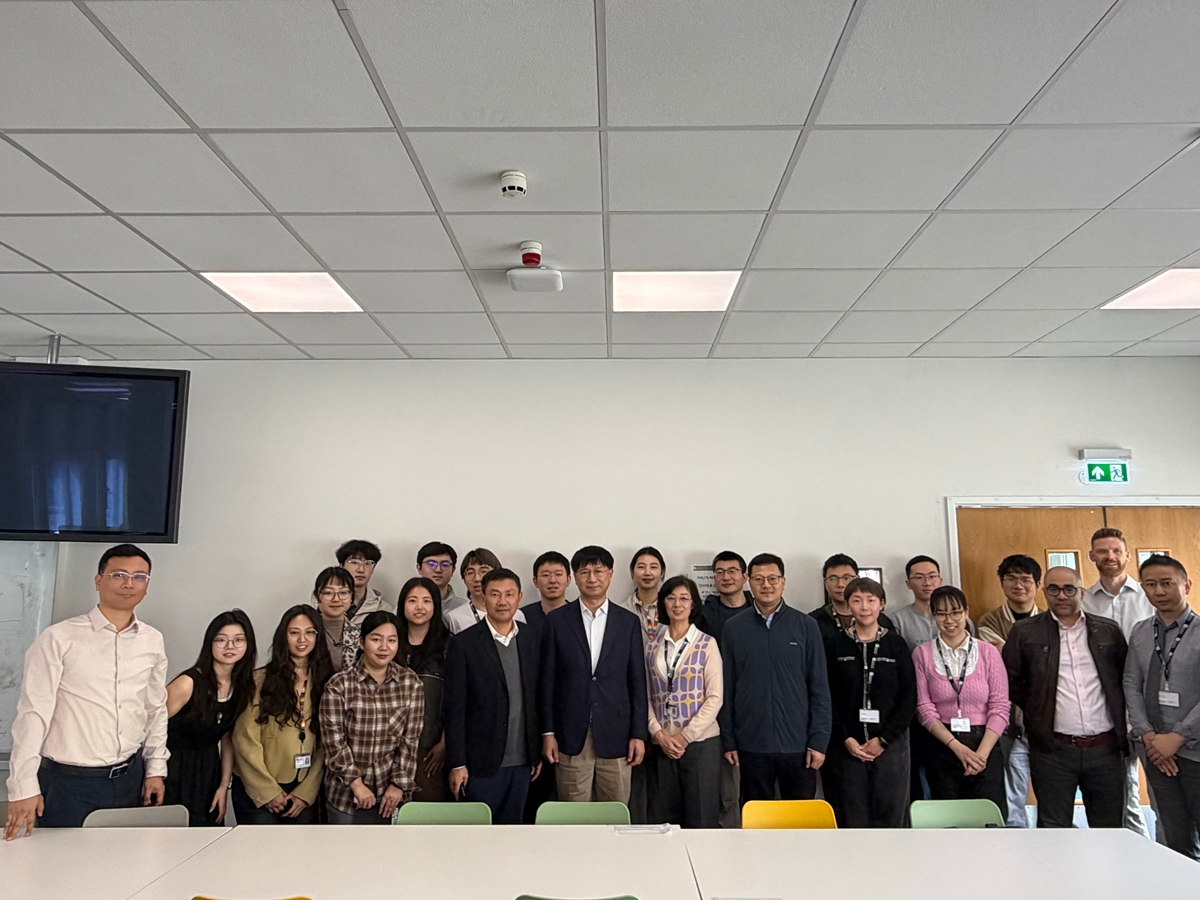
During the visit, the delegation hosted an overseas talent exchange session. Zhang Xi introduced Jilin University's development priorities, research and innovation platforms, talent support programs, and international recruitment initiatives. He sincerely invited outstanding young scholars and researchers from around the world to join Jilin University and contribute to its continued growth and development.
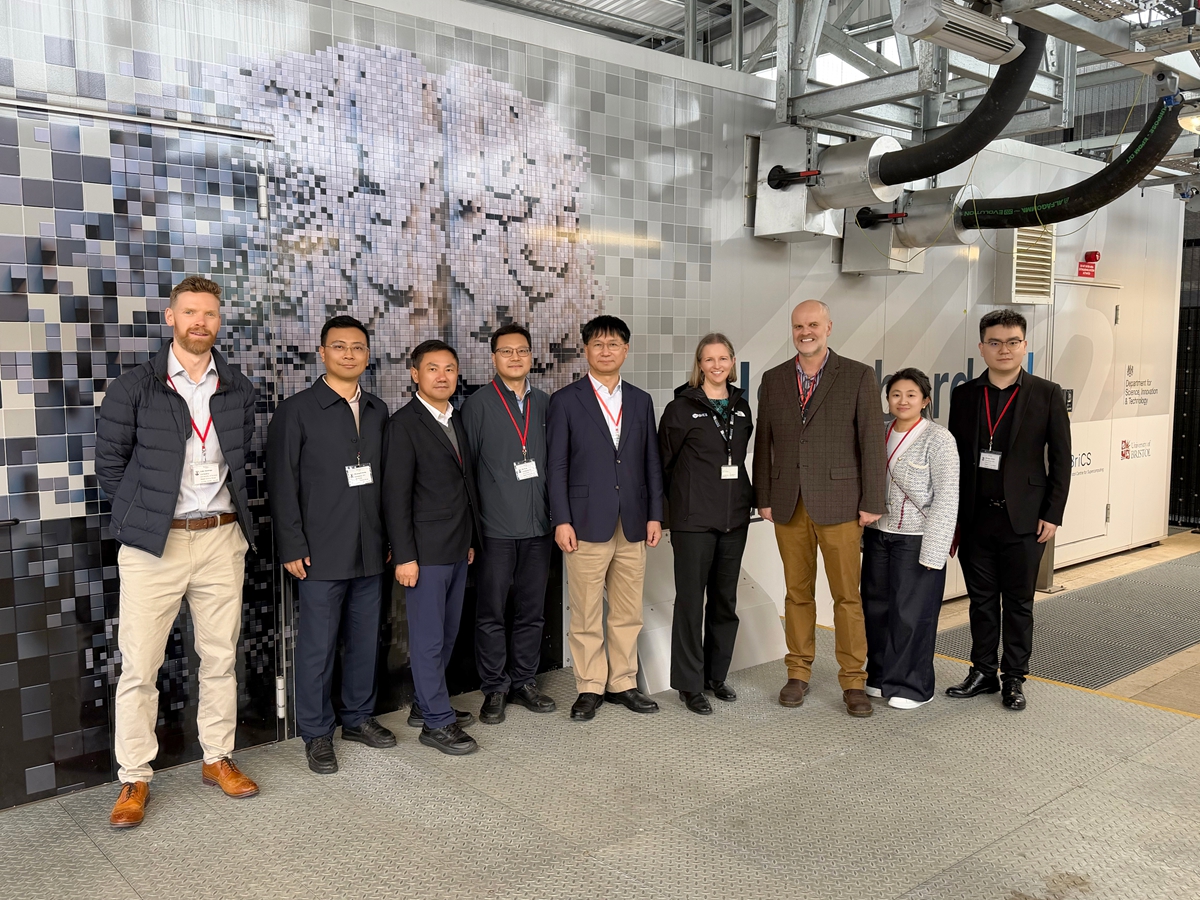
The delegation also visited the Bristol Supercomputing Centre, and studied the UK's open research platform construction systems, AI computing infrastructure layout, and standardized operation management models, broadening insights for Jilin University's high-end research platform development and digital research system upgrade.
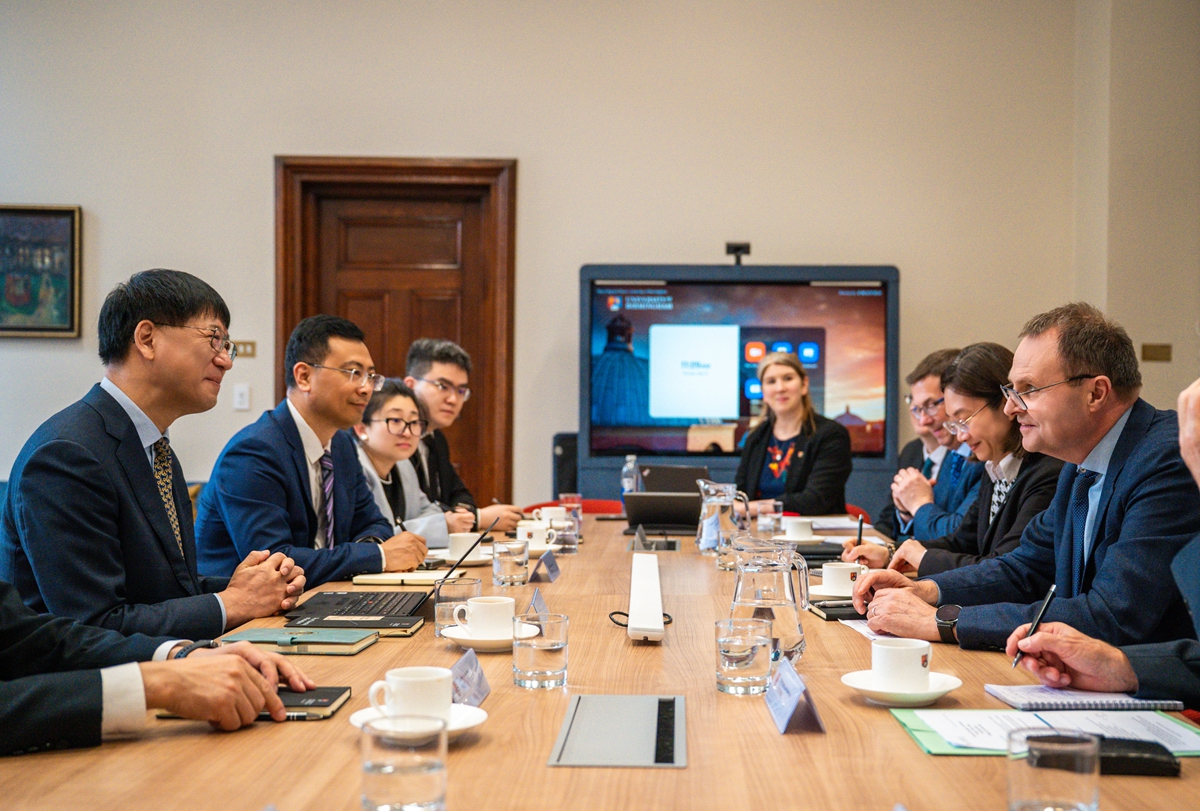
During the visit to the University of Birmingham, Zhang Xi met with Vice-Chancellor and Principal Adam Tickell. Prof. Tickell spoke highly of Jilin University's educational strength and talent development. He also introduced the University of Birmingham's cooperation layout in China and the development of Sino-foreign cooperatively-run education programs and institutions. Prof. Tickell expressed his hope that the two universities would make full use of their respective academic strengths and educational resources to explore innovative approaches to international talent development. He emphasized the importance of jointly cultivating interdisciplinary professionals with strong academic foundations, innovative thinking, and global perspective. By further strengthening practical cooperation, he noted, both universities could enhance their academic excellence and international influence.
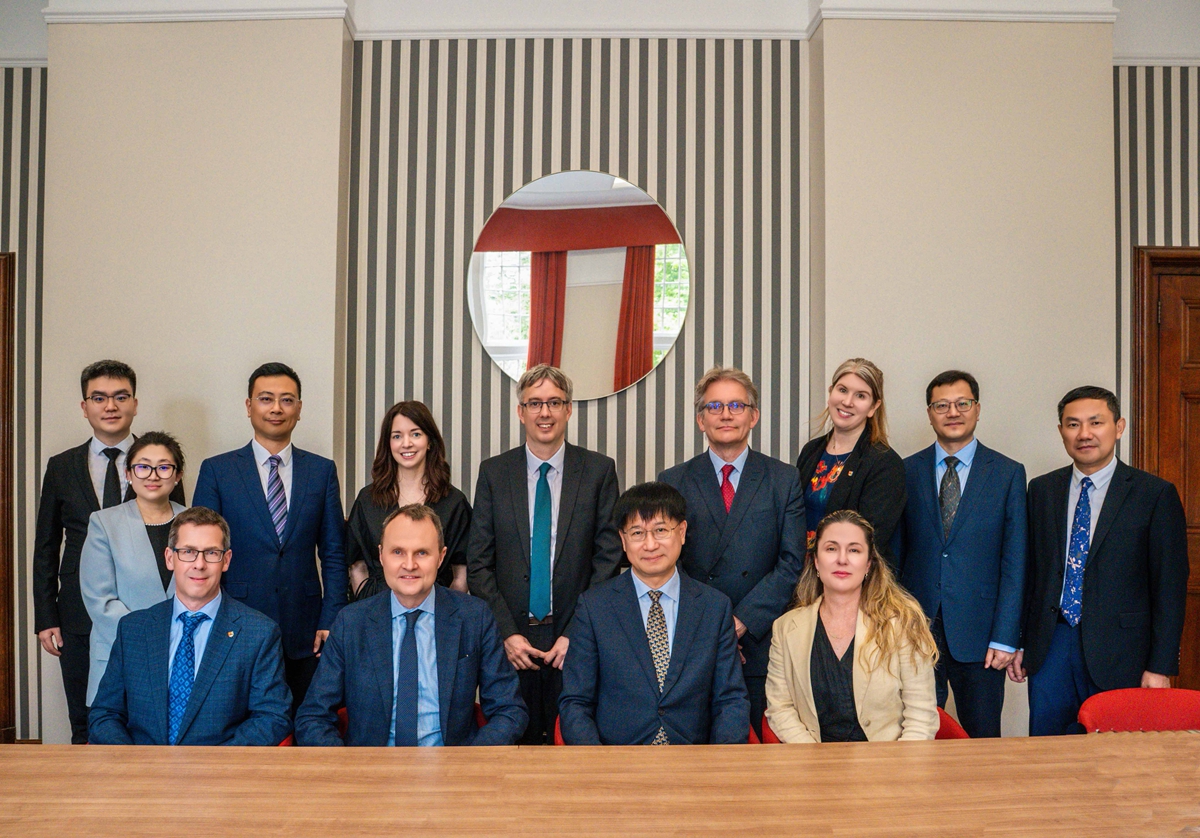
Zhang Xi noted that Jilin University and the University of Birmingham share a long history of collaboration and a strong foundation for academic exchange. The two universities have previously engaged in productive discussions and cooperation on geoscience talent cultivation in the field of sustainable development. He observed that the University of Birmingham's distinguished academic heritage, rigorous scholarly traditions, and student-centered educational philosophy align closely with Jilin University's founding mission and development principles. As Changchun and Birmingham are sister cities, he expressed the hope that the two universities would further strengthen comprehensive and multi-level cooperation. By leveraging their roles as key centers of knowledge, innovation, and talent development, the universities can serve as an important bridge for people-to-people exchange and technological collaboration, facilitating the coordinated development and university-local government integration empowerment.
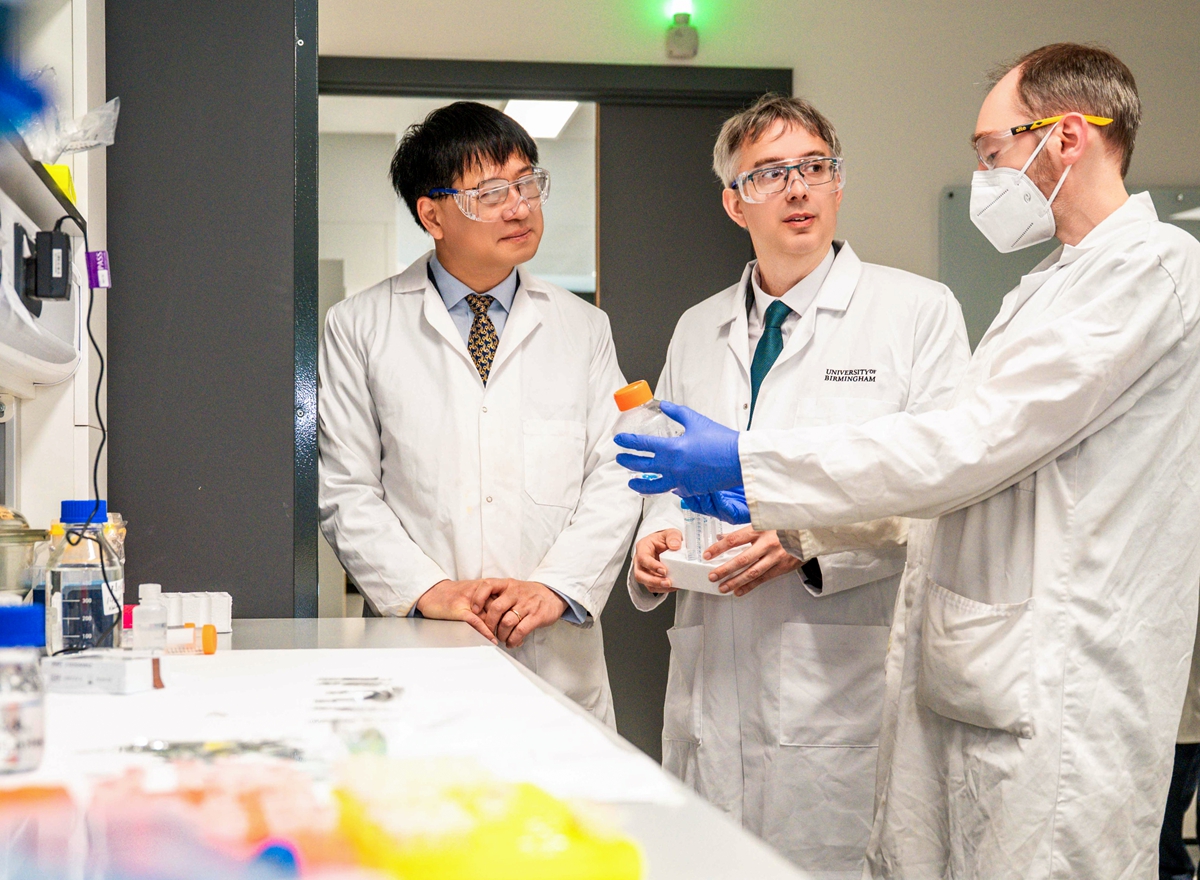
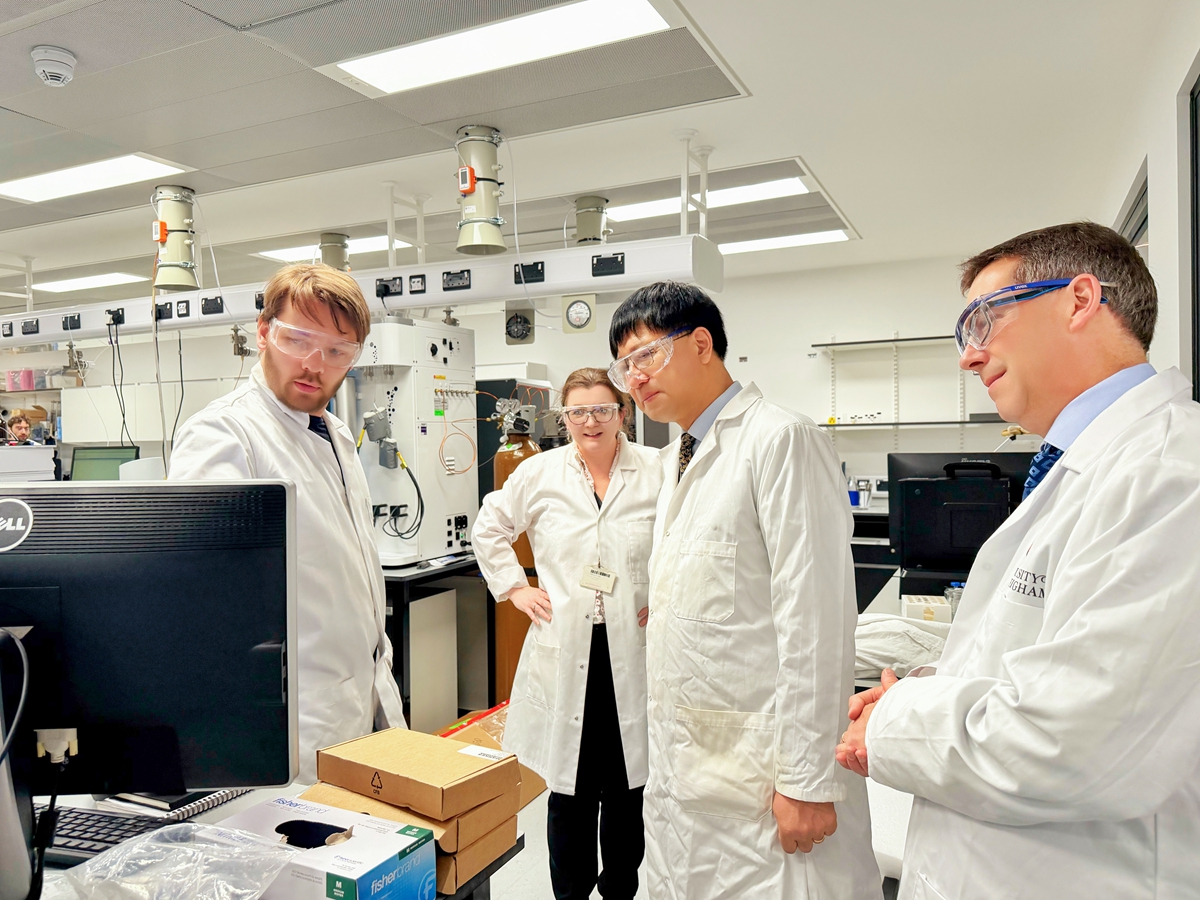
During the visit, the delegation also toured the University of Birmingham's Teaching Innovation Centre and Molecular Sciences Building and learnt about the laboratory operations management and experimental course offerings, gaining in-depth insights into the university's advanced concepts and experiences in practical teaching, interdisciplinary research platform construction, and educational digital technology applications.
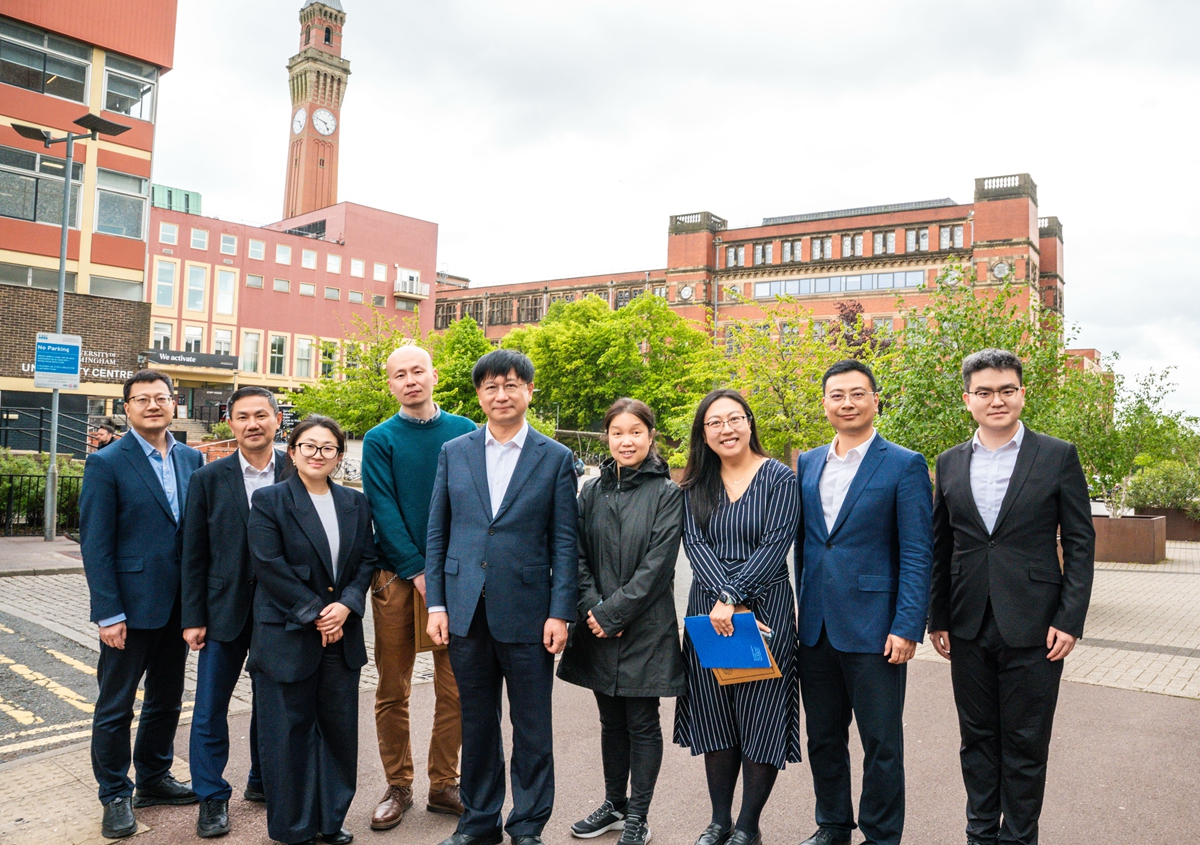
Zhang Xi also met with alumni working in Birmingham and thanked them for their continued support of the university. He listened to their suggestions on academic development, faculty growth, student education, and international cooperation. He encouraged the alumni to continue achieving success in their careers and research, stay connected with their alma mater, and support the university’s future development through closer cooperation and exchange.
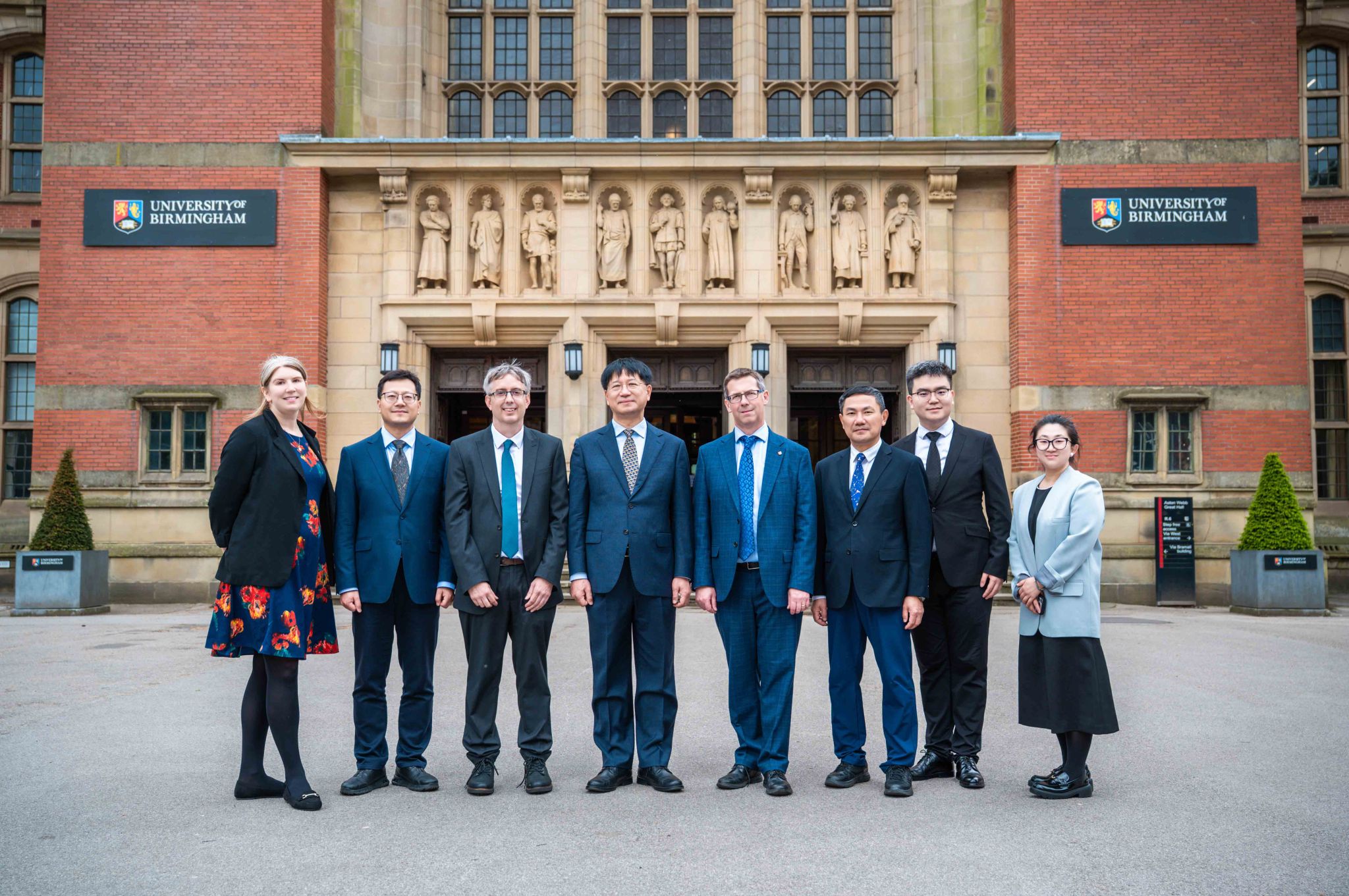
Relevant staff from the Office of Global Engagement and the President's Office accompanied the delegation.