The World Class University Presidents Forum 2026 was held at the Hong Kong University of Science and Technology (HKUST) from November 4 to 5 under the theme “Higher Education Reimagined: Innovating for the Future”.
The forum brought together more than 100 university presidents and academic representatives from nearly 50 leading universities worldwide. Participants exchanged views through roundtable and discussions focusing on three main themes: “The University in the AI Era”, “The University and Society”, and “The University and Civilization”.
Professor Zhang Xi, President of Jilin University and Academician of the Chinese Academy of Sciences, was invited to attend the Forum.
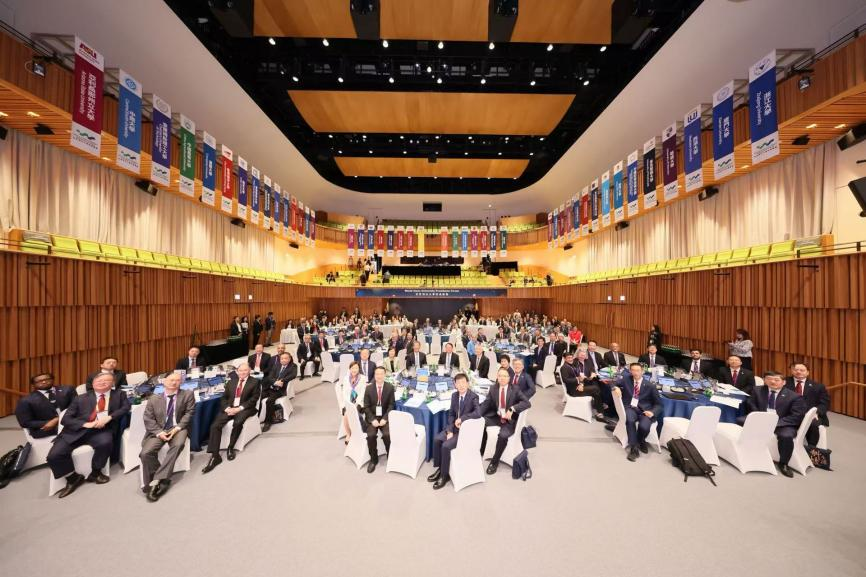
The Forum was jointly initiated by HKUST and Fudan University with support by the China Association of Higher Education. Professor Huai Jinpeng, Minister of Education of China, delivered a keynote address titled “Transformations of Universities in the New Era and Their Future Missions”. Ban Ki-moon, the eighth Secretary-General of the United Nations, and Khondker M. Talha, President of UNESCO’s General Conference, delivered video addresses.
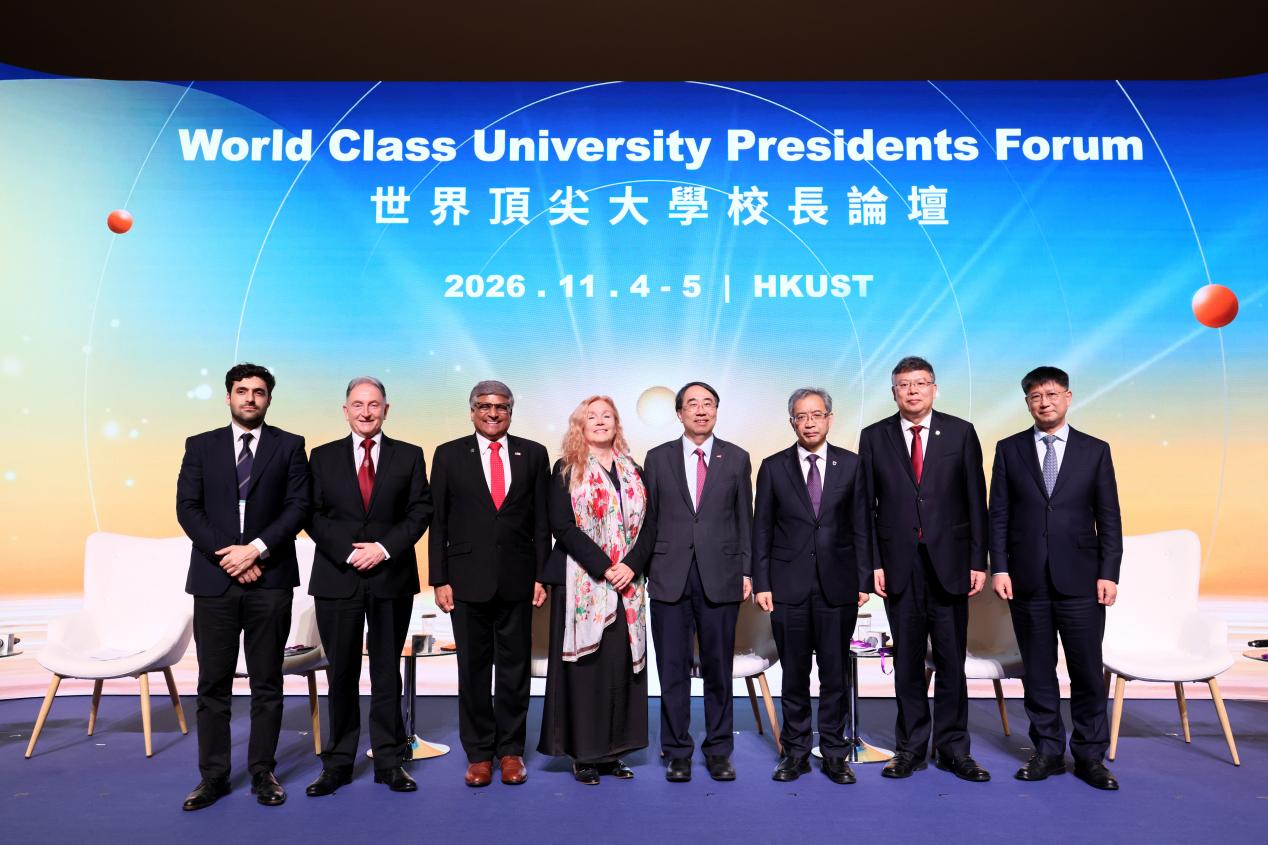
Chan Kwok-ki, Acting Chief Executive of the Hong Kong Special Administrative Region (HKSAR); Lin Huiqing, President of CAHE; Professor Harry Shum, Council Chairman of HKUST; and Professor Nancy Ip, President of HKUST; attended the forum and delivered remarks.
Representatives from international universities,including the University of Cambridge, the University of California, Los Angeles (UCLA), the University of Sydney, and the Technical University of Munich, attended alongside representatives from Peking University, Tsinghua University, the University of Hong Kong, The Chinese University of Hong Kong and the University of Macau.
The forum also released “Ten Key Issues on the Agendas of World-class University Presidents”, and 12 universities signed cooperation agreements during the event.
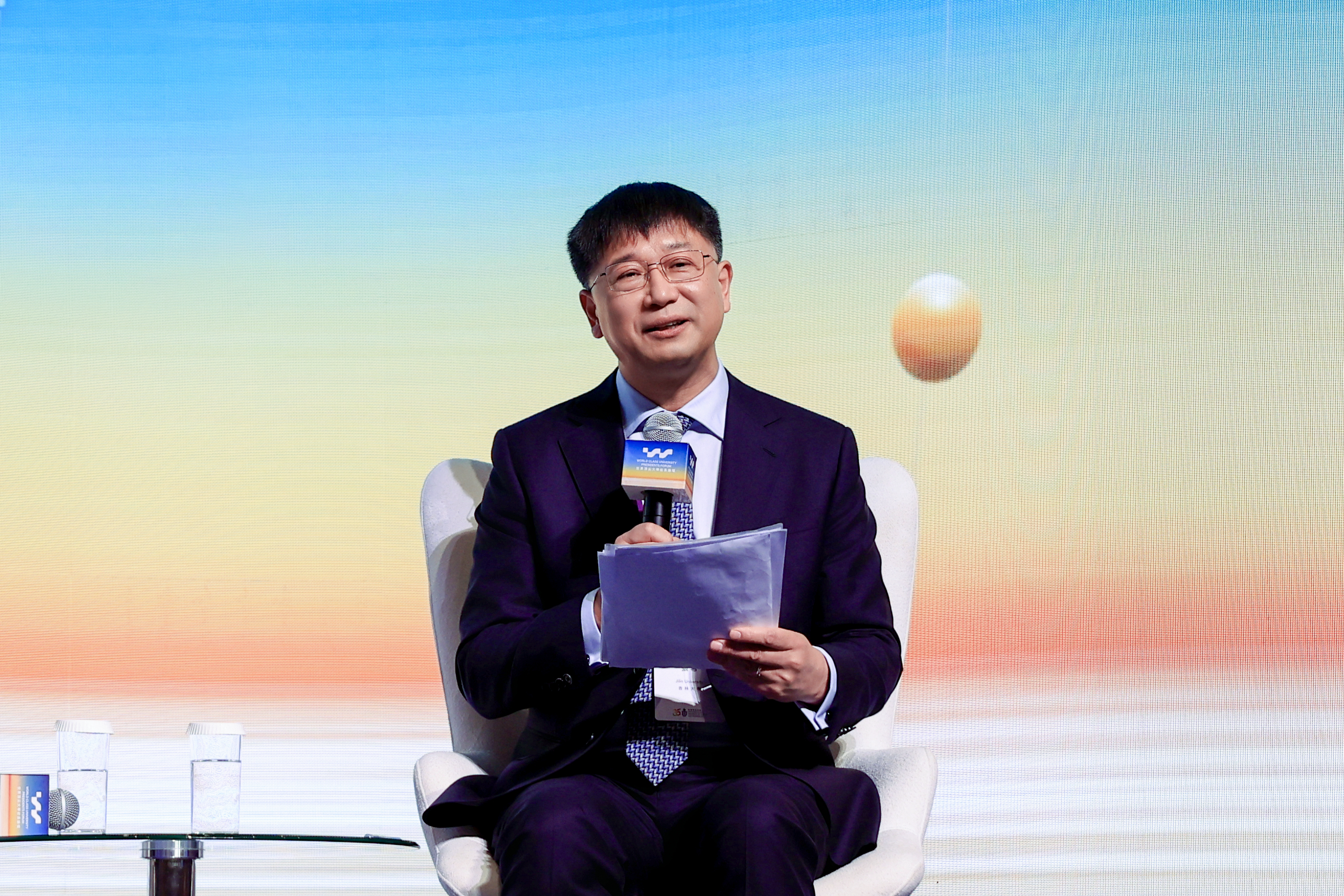
In his concluding remarks during the themed roundtable discussion titled “From Ideas to Innovation: Universities Driving the Future Economy,” Zhang Xi highlighted the “valley of death” in technology transfer, referring to the challenges of moving research discoveries from the laboratory to industrial application. He emphasized that universities and enterprises must work together to bridge gaps and create clearer pathways from scientific innovation to commercialization.
Zhang also stressed the importance of developing diverse and inclusive evaluation systems that recognize different academic career paths in teaching, research, and technology transfer. He noted that Jilin University has continuously introduced supporting policies to encourage faculty members interested in technology transfer and encourage them to explore innovative approaches.
Addressing the growing influence of artificial intelligence, Zhang described AI as both a transformation of existing tools and a tool for broader change. He emphasized that the fundamental mission of universities remains fostering moral character and educating students. Universities should therefore help faculty and students use emerging technologies effectively while addressing gaps in their skills and capabilities.
Zhang concluded by emphasizing that each university has its own characteristics and strengths, making mutual learning and cooperation essential. He noted that building connections is the first step, strengthening relationships brings progress, and cooperation leads to shared success.
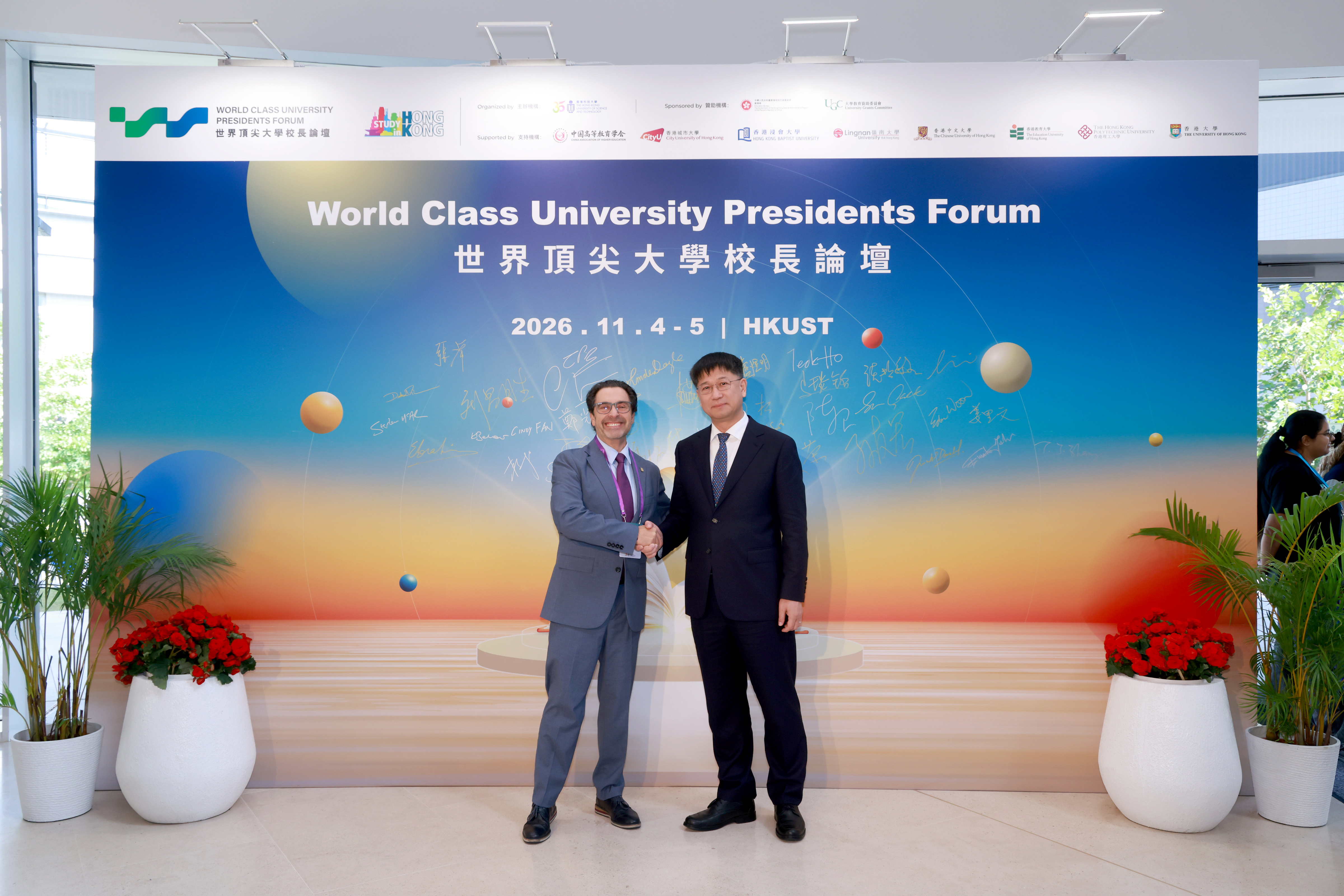
During the Forum, Zhang Xi held bilateral talks with university presidents from China and abroad, including Professor Joan Guàrdia Olmos, Rector of the University of Barcelona, Spain. They exchanged views on expanding academic exchanges and deepening practical cooperation.
This forum provided Jilin University with an opportunity to participate in international discussions on higher-education and expand its global partnerships. Building on these connections, Jilin University will continue to strengthen exchanges and cooperation with leading universities worldwide, particularly in basic research, talent development, and technology transfer. Through these efforts, the university aims to advance its goal of becoming a world-class university with Chinese characteristics.