A research team led by Professor ZOU Meng, Professor ZHANG Wei and Senior Engineer LI Xiujuan from Jilin University (JLU), along with Researcher REN Wencai from the Chinese Academy of Sciences, has made what’s been dubbed a groundbreaking discovery in lunar science.
Through detailed analysis of lunar soil samples collected by the Chang’e-5 mission, they identified naturally formed few-layer graphene, marking the first time this material has been found on the Moon.
The findings, published on June 17, 2024 in the National Science Review under the title Discovery of Natural Few-Layer Graphene on the Moon, provide new insights into the Moon’s geological activity, environmental characteristics and complex mineral composition.
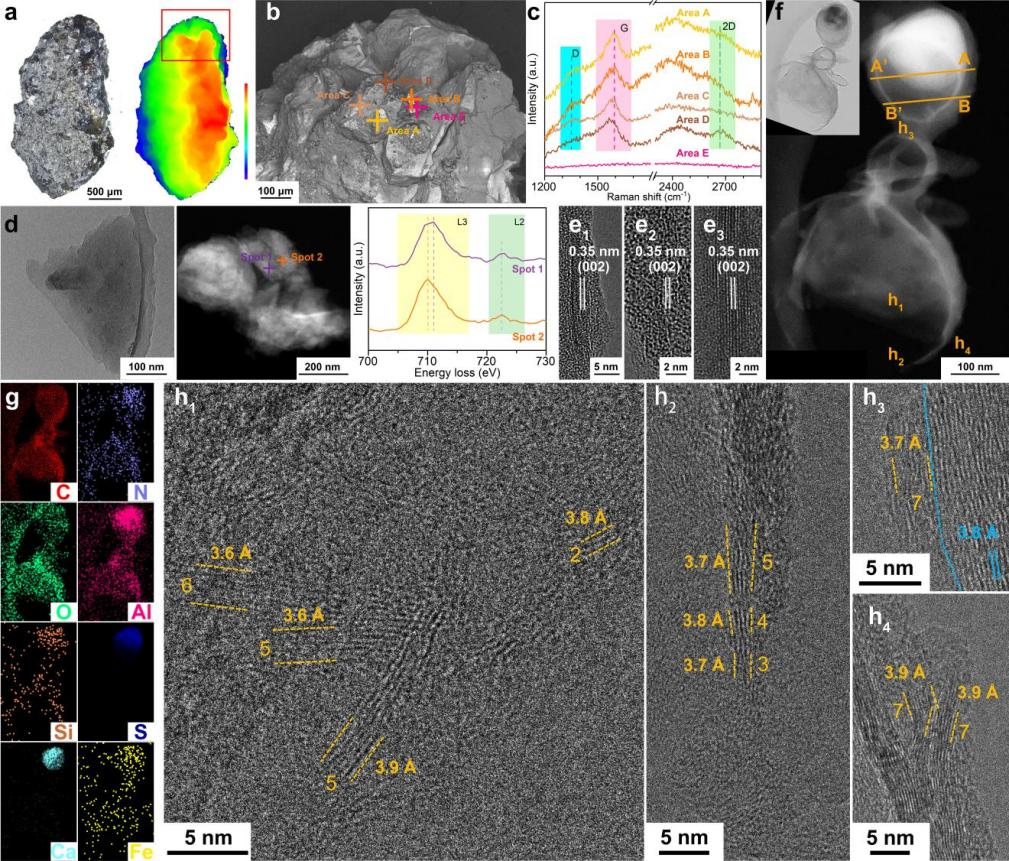
The findings have significant implications for in-situ resource utilization on the Moon and enhance our understanding of planetary geology.
The research team employed advanced electron microscopy and Raman spectroscopy to confirm the high crystallinity of graphite carbon in the lunar soil samples.
What’s more, the presence of iron compounds in the carbon-rich regions is understood to suggest a close relationship with the formation of graphene.
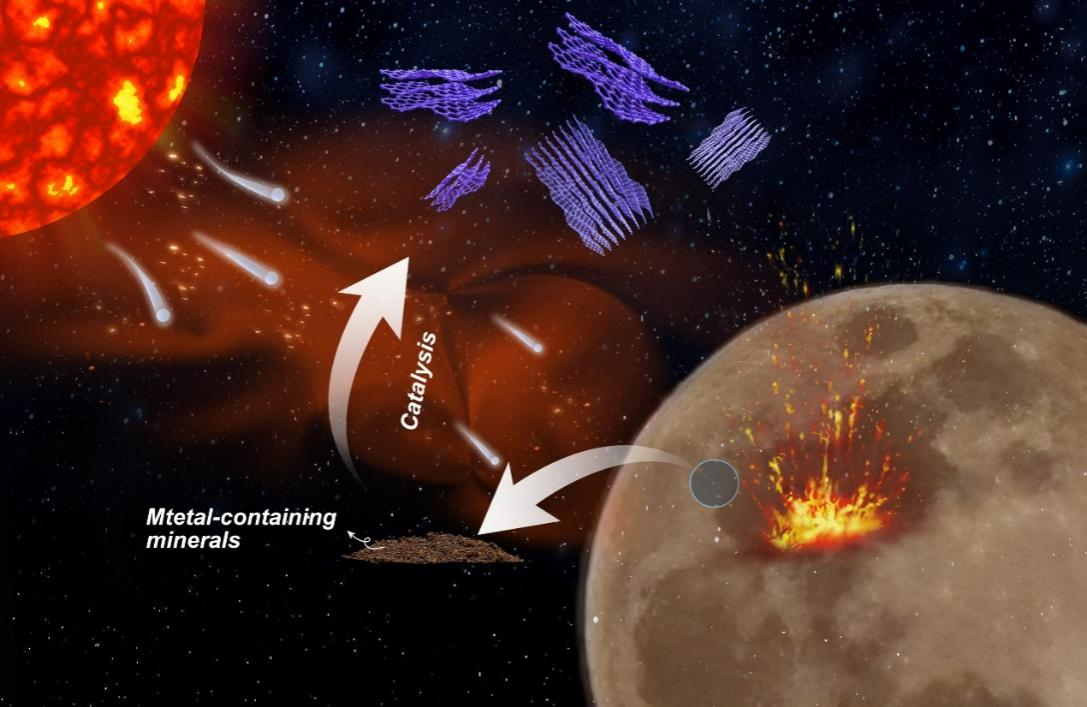
The study proposes that the few-layer graphene and graphite carbon were likely formed through a mineral catalysis process induced by solar wind and early lunar volcanic activity.
The pioneering research was supported by JLU, the Chinese Academy of Sciences and various national scientific initiatives.


